



 Language
How to buy a house in Thailand as an expat in 2026
Would you like to own a home in Phuket, Bangkok or Chiang Mai? We tell you how to buy a house in Thailand.

If you’d like to buy a house in Thailand for permanent living, investment, or a second home, you should first understand the regulations for foreigners. Unlike other countries, Thailand applies strict rules regarding land ownership.
Many buyers make the mistake of rushing into the process without proper knowledge. Consequently, they lose investments or buy properties without legal rights. To help you avoid this, we’ve prepared a complete guide where we explain this country’s requirements, current property market prices, and the main applicable taxes.
We’ll also explain how you can pay for a house in Thailand and the steps you should follow to buy safely. Therefore, get ready to become a homeowner in Bangkok, Phuket, or Chiang Mai.
Requirements for Foreigners Buying a House in Thailand
To buy a house in Thailand as a foreigner, you must understand several restrictions before starting your search. The main rule states that you can’t own land directly. However, you can lease land or buy condominium apartments. Here’s each requirement in detail.
1. Available property types
As a foreigner, you can buy a condominium apartment. This means you purchase the property as freehold ownership while sharing communal areas with other owners, including hallways, lifts, gardens, pools, or parking spaces.
Regarding houses or land, you can only buy them through a Thai company or Thai spouse. Otherwise, you can lease land through a long-term lease agreement for up to 30 renewable years.

2. Ownership types
In Thailand, freehold means full property ownership, available only for condominiums, while leasehold grants long-term usage rights through a lease agreement. However, leasehold doesn’t provide ownership rights because it remains temporary.
3. Legal requirements and documentation
The main documents required to buy a house in Thailand include a valid passport, proof of funds through an international transfer, a foreign exchange transaction certificate, a sale agreement, and the property’s title deed.
You don’t need to live in Thailand as a resident to own property. However, if you plan permanent residence, you’ll need the correct visa from the Thai embassy in your country. These visas may cover work, digital nomad status, studies, or long-term residency.
4. Buying through a company or local partner
This option allows you to buy a house in Thailand with land ownership, but the transaction must remain completely legal. Some people create companies only for this purpose. However, this approach creates serious risks, including legal issues and property loss.
Therefore, if you have a Thai spouse or business in Thailand and don’t want a condominium, you can buy a house with land this way.
5. Legal risks and warnings
Before buying a house in Thailand, remember that regulations may change frequently. Therefore, we recommend working with a local estate agent or solicitor. They can help you identify common risks, including poorly written contracts, scams, untitled properties, or restrictions for foreigners.

How Much Does a House Cost in Thailand?
Thailand’s property market remains far more affordable than many European countries. However, some tourist areas increased prices considerably last year. The cost of living in Thailand also makes property ownership more profitable here.
1. Prices per square metre
Prices vary depending on the city, beach proximity, views, tourist demand, and property type. Consequently, suburban and secondary cities usually offer lower prices. For example, a villa near Phuket beach may cost €500,000 ($588,235), while a northern rural property may cost around €80,000 ($94,118). In the following table, you can compare prices per square metre in different areas:
| City | Average city centre price | Average suburban price |
|---|---|---|
| Bangkok | $4,118-7,059 (€3,500-6,000) / m² | $1,765-3,529 (€1,500-3,000) / m² |
| Phuket | $4,706-8,824 (€4,000-7,500) / m² | $2,353-4,706 (€2,000-4,000) / m² |
| Chiang Mai | $1,765-3,529 (€1,500-3,000) / m² | $1,176-2,353 (€1,000-2,000) / m² |
| Pattaya | $2,353-4,706 (€2,000-4,000) / m² | $1,412-2,941 (€1,200-2,500) / m² |
Prices per square metre in cities in Thailand.
For example, a small studio in Bangkok may cost around €60,000-100,000 ($70,588-117,647), while a condominium in Phuket ranges between €150,000-300,000 ($176,471-352,941). Meanwhile, prices in Chiang Mai start from €80,000 ($94,118).
2. Maintenance costs
Besides the purchase price, you should also consider maintenance expenses, including private condominium security, swimming pools, gyms, home insurance, communal cleaning, or repairs. Usually, monthly fees range between €0.75-2.50 ($0.88-2.94) per m².
3. Relation to average local salaries
The average salary in Thailand for local workers ranges between €600-1,000 ($706-1,176) monthly, depending on the profession. Consequently, many tourist-area properties target foreign buyers, investors, or international earners, including a digital nomad in Thailand earning a foreign salary.
Taxes When Buying a House in Thailand
Buying a house in Thailand involves several taxes and fees during purchase, ownership, and resale. One unique aspect involves buyers and sellers negotiating many costs directly, so you should review contracts carefully. Taxes when buying property include:
- Transfer fee (registration): 2% of the property’s value
- Stamp duty: A legal validation fee worth 0.5% of the property’s value.
- Withholding tax: Although sellers usually pay this tax, it may influence the final price. Authorities calculate it according to ownership years and income.
- Example: For a €150,000 ($176,471) property, initial taxes usually total around €3,750-7,000 ($4,411-8,235).

As a property owner, annual taxes in Thailand include property tax, ranging from 0.02%-0.1% for primary residences or up to 0.3% for second homes or investments. Furthermore, if you sell within five years, you’ll also pay the specific business tax at 3.3%, alongside capital gains tax.
These taxes apply nationally, so rates rarely differ between cities. However, local market values, maintenance fees, and service costs still influence total expenses. Additionally, check whether your country has a double taxation agreement with Thailand, including Spain, the United Kingdom, or Germany. Consequently, you’ll avoid paying duplicate taxes on income and profits.
Steps To Buy a House in Thailand
To help you understand the process more easily, we’ve summarised buying a house in Thailand into five steps. Therefore, you can start with a more organised plan and avoid missing important details.
1. Property search and selection
The first step involves finding the right property. Therefore, we recommend searching through property portals or platforms like Properstar, FazWaz, local agencies like Hipflat, or trusted local contacts. This process usually takes several days or weeks.
2. Legal verification of the property
One common mistake involves ignoring ownership types, either freehold or leasehold, and failing to check legal compliance for foreigners or outstanding debts. Usually, your estate agent or solicitor handles this step within less than one week.
3. Negotiation and initial agreement
Once you confirm the property qualifies legally, you can negotiate the price with the seller. Negotiating second-hand property prices remains common practice in Thailand until both parties agree. Afterwards, within roughly one week, you’ll formalise the reservation by paying a 5%-10% deposit. However, never transfer money without a clear contract defining all conditions.
4. Preliminary contract and legal review
After the reservation, you’ll complete the process through a bank if you need a mortgage, where you’ll submit the required documents. Alternatively, a solicitor can manage the process if you’re paying cash.
The purchase agreement should include buyer protection clauses, conditions, deadlines, interest rates, monthly payments, and each party’s responsibilities. Usually, this stage lasts between one and four weeks.
5. Final signing and property registration
The final step takes place in one day at Thailand’s Land Department, where you pay the remaining balance, sign the final documents, and officially register the property. Therefore, verify carefully that payments match the agreed amount and that authorities register the property correctly.

How To Pay for a House in Thailand
The most common way for foreigners to pay for property in Thailand involves an international bank transfer. Therefore, your bank must issue the required foreign exchange transaction certificate to prove the money’s origin.
If you need financing, mortgages for foreigners remain limited and involve stricter conditions than local resident mortgages. For example, you’ll usually need a 30%-50% deposit, stable income proof, and a strong financial history. Interest rates generally range between 5% and 8%, depending on your profile.
Most foreign buyers pay in cash or use financing already arranged in their home country to simplify the process. As advice, never transfer money to an unverified account, don’t pay without a legal contract, and always consider exchange rates and banking fees because they may affect the final purchase price.
Tips Before Buying a House in Thailand
Reliable internet access remains essential when buying a house in Thailand. Consequently, you’ll communicate with estate agents, solicitors, manage online transfers, use maps, translators, or organise property viewings more easily.
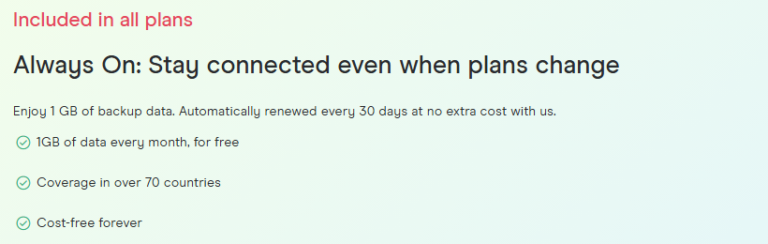
If you plan long-term living in Thailand and need reliable connectivity, Holafly monthly plans provide 25 GB or unlimited data, 5G coverage, and travel across more than 160 destinations without changing your eSIM or plan. Furthermore, with the Always On benefit, you’ll keep 1 GB free forever after cancelling your subscription or during emergencies.
However, if you only need internet for several days, the best option involves Holafly’s Thailand eSIM, with unlimited data only for the days you need from €3.79 ($3.90) daily. Besides internet access, consider the following tips to ensure buying a house in Thailand remains exciting and problem-free:
- Review all legal documents: Ensure the property includes a title deed and no debts or liabilities.
- Seek local advice: A solicitor or estate agent should review contracts and documents to prevent mistakes or fraud.
- Analyse the area carefully: Check transport, services, safety, and tourist demand before making your decision.
- Compare the market before buying: Don’t choose the first property you see. Instead, identify opportunities and avoid overpaying.
- Understand legal risks for foreigners: Even if someone offers land ownership, remember this option isn’t legally allowed for foreigners.
- Consider renting before buying: Living in an area for several weeks helps you decide whether it suits your lifestyle.
- Identify possible scams: Watch for unusually low prices, pressure for quick payments, missing contracts, or unclear sellers.
Frequently Asked Questions About Buying a House in Thailand
Yes, but with certain restrictions. You can’t buy a house with land ownership, only condominium properties.
No, residency isn’t mandatory because you can buy property in Thailand as a non-resident. However, you’ll need a valid passport and proof of funds.
As a foreigner, you can only buy a house with land through a Thai spouse or local company. Alternatively, you can live on leased land through a long-term agreement.
Yes, but applying through a Thai bank remains complicated. Banks usually require a large deposit, so consider financing from your home country if necessary.
If you already have the funds available, the process moves quickly and may finish within two or three weeks. However, mortgage applications may extend the process up to eight weeks.