



 Language
How to buy a house in France as an expat in 2026
Be the new owner of a home with a view of the Eiffel Tower! Discover all the steps to buy a house in France.

The French property market stands out for its stability and for placing very few restrictions on foreigners buying a house in France, even without residency. However, you should understand the legal requirements before signing any contract, since differences exist compared with other countries.
In this guide, we explain the conditions international buyers must meet, whether for investment, permanent residence or a second home. We’ll also cover taxes, mortgage conditions and other aspects related to taxation and property types. In addition, we’ll review the current average price per square metre across different areas. Therefore, if you’re planning to buy property in France during 2026, this article will help you avoid common mistakes and understand every stage of the buying process.
Requirements for Expats Buying a House in France
If you’d like to live in France or simply want an investment opportunity, this country remains one of the most open to foreign buyers. Whether you belong to the European Union or come from outside Europe, you can buy a house in France under almost the same conditions as a French citizen. Even so, several requirements still apply.
1. Types of properties
Most property transactions follow the full ownership model, where the buyer fully owns the property and its land. However, other less common ownership structures also exist:
- Shared ownership in buildings (copropriété): You buy a property within a residential complex and share community expenses with other owners.
- Through an SCI property company (Société Civile Immobilière): The company owns the property and you hold company shares.
- Usufruct or bare ownership: You legally own the property, although you can’t use it until the usufruct ends.
2. Residency and visa requirements
Buying a house in France doesn’t grant residency; in fact, you don’t need residency to complete the purchase. If you belong to the EU, you can live in France without a visa. However, non-EU citizens need a residence visa allowing stays longer than 90 days. If you’re moving for work, studies or digital nomad purposes, you must apply for the appropriate visa through the French embassy in your country.
3. Legal limits and property restrictions
The only property restrictions affecting foreigners buying a house in France involve certain rural land under special regulations, historical or protected areas, and tourist rental properties in Paris. Generally, you can buy apartments, houses, villas, urban plots and commercial properties without difficulty.
4. Required documents
The main documents required include a valid passport, proof of income and bank statements, together with tax declarations and proof of funds origin.
5. Financial Requirements
If you need a mortgage, French banks do offer financing to foreigners, although requirements apply. Banks will review your financial history, debt level, salary or pension and available savings for the deposit and additional costs. Usually, they finance between 70% and 80% of the property value.

How Much Does a House Cost in France?
Property prices in France depend heavily on the city, area and property type. Generally, buying a house in France costs far more in major cities like Paris or coastal regions, while inland areas offer more affordable prices, as shown below:
- Paris → $11,400 (€9,690) per m²
- Nice → $6,100 (€5,200) per m²
- Lyon → $5,300 (€4,500) per m²
- Marseille → $4,160 (€3,530) per m²
- Nantes → $4,070 (€3,455) per m²
- Montpellier → $3,910 (€3,325) per m²
- Lille → $3,950 (€3,360) per m²
- Le Mans → $2,320 (€1,970) per m²
- Limoges → $1,845 (€1,565) per m²
The national average stands at around $2,590 (€2,200) per m². Price factors include location, transport access, nearby schools, hospitals, shops, property condition and tourist demand.

If we compare this with the average French salary of around $2,800 (€2,380) monthly, residents usually buy in medium-sized cities to manage expenses more comfortably. For example, a 50 m² apartment in central Paris costs around $570,000 (€484,500). Meanwhile, a 90 m² house in Lyon costs $450,000 (€382,500), a 100 m² property in Toulouse costs $320,000 (€272,000), and a rural house inland costs around $180,000 (€153,000). In addition, you should allocate between 1% and 3% of the property value yearly for maintenance.
Property Taxes in France
Buying and maintaining a house in France means covering several upfront costs and ongoing taxes during ownership. Furthermore, the French tax system distinguishes between residents and non-residents, which may affect your final tax obligations. When purchasing property in France, you must cover these initial costs:
| Tax | Approximate cost |
|---|---|
| Property VAT (TVA) | Around 20% for new-build properties only |
| Registration and notary fees | 7%-8% |
| Valuation | $300-900 (€255-765) for standard homes |
| Mortgage arrangement fees | Between 0.5% and 1% of the loan |
| Mortgage interest | Between 3% and 4.5% yearly |
| Example: A property worth $300,000 (€255,000) | Between $21,000-24,000 (€17,850-20,400) |
Taxes when purchasing property in France
Once you become the owner, you’ll also pay annual property tax of around $1,200-3,000 (€1,020-2,550), depending on the property value. Community fees usually range between $1,200-3,500 (€1,020-2,975) yearly, depending on available services. Moreover, when selling the property, you’ll pay around 19% on profits plus an additional 17.2% in social charges. For example, if you make a profit of $80,000 (€68,000), you’ll pay approximately $28,960 (€24,480) in taxes.
On the other hand, tax reductions exist if the property serves as your main residence. France also maintains double taxation agreements with countries like Spain, Germany, Italy, the Netherlands and Portugal, helping you avoid double taxation.
Steps to Buy a House in France
The process of buying a house in France remains structured and secure, involving estate agents, banks and notaries. To help you complete everything correctly, we’ve outlined each stage below so you can avoid mistakes.
1. Property search: Portals and agencies
The first step involves finding the right property. Therefore, we recommend searching through property portals like SeLoger, Propestar or LeBonCoin. If you’re already in France, you can also visit a local estate agency for direct assistance. French agencies handle most transactions in cities like Paris or Lyon. This stage usually takes between one and three months.

2. Legal verification of the property
Once you’ve found a house, you must check its legal status before making an offer. Therefore, ask your property adviser to review the property ownership, possible debts, urban planning status and co-ownership regulations. In France, the notary closely supervises this stage, so you’ll usually receive information within a few days.
3. Negotiation and initial offer
Once you confirm the property meets purchase conditions, you can submit a formal offer. In the French property market, negotiation remains possible for second-hand homes, although flexibility stays limited. The seller will usually respond within approximately one week.
4. Reservation and financing
After agreeing on the final price, you can reserve the property with a deposit of around 5% to 10% of the purchase price. Following the sales agreement, the bank processes the mortgage if necessary. Otherwise, both parties sign the purchase deed directly before the notary within one or two months, once all legal documents are ready. You also benefit from a legal 10-day cooling-off period if you change your mind.
5. Signing the deed and registration
This stage finalises the purchase, where you sign before the notary, pay the remaining balance and officially transfer ownership. Once the deed carries your name, you must register it officially. The authorities then issue the final ownership title within two to four weeks.
How to Pay for a House in France?
The most common payment method for buying a house in France involves a bank transfer to the notary’s account, rather than directly to the seller. The notary acts as intermediary and guarantees payment security until the transaction finishes. You can transfer funds through your home bank or through a French bank.
If you need a mortgage, banks usually finance between 70% and 80% of the property value and often request additional guarantees from foreign buyers. These requirements usually include a minimum deposit between 20% and 30%, life insurance, home insurance and proof of income. Mortgage rates generally range between 3% and 4%, although high-risk profiles may exceed 4.5%. Other alternatives include:
- Cash payment: The simplest option without interest charges.
- Private financing: Loans between private individuals or investors.
- Mortgage in your home country: You can apply through your own bank, where they already know your financial history.
Remember to consider international transfer fees and exchange rate differences, since they may increase the final cost. For example, a 2% exchange variation on a $300,000 (€255,000) property could represent more than $6,000 (€5,100).
Tips Before Buying a House in France
Although buying a house in France follows a highly structured process, legal and financial details still require close attention. If you follow these practical tips, you’ll keep everything under control for a successful purchase without unexpected issues.
Buy with a reliable internet connection
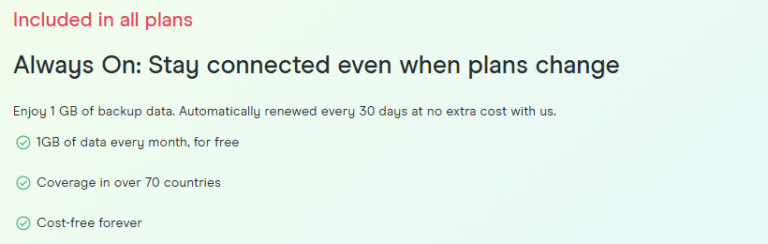
First, arrange a stable internet connection allowing you to search properties online without interruptions, complete secure transfers and travel frequently between France and your home country without changing eSIMs. Therefore, we recommend Holafly’s monthly plans, offering 25 GB or unlimited data and simultaneous connection across multiple devices. In addition, the Always On benefit gives you 1 GB free forever if you cancel your subscription or face emergencies.
However, if you only need internet access for a few days, you can choose Holafly’s France eSIM, with unlimited data only for the days you need, starting from $3.90 (€3.79) daily. Now that you know how to stay connected in France, here’s a final list of useful recommendations.
Tips for buying a house safely in France
- Review all legal documents carefully: Before signing any contract, verify ownership and confirm no debts or charges exist.
- Seek local advice: Work with local experts like estate agents or advisers. They’ll assist with procedures and translations.
- Analyse the area carefully: Besides the house, check transport links, services, safety and future urban development plans.
- Evaluate the market before buying: Compare prices per square metre and study rental demand if you’re investing.
- Consider legal risks for foreigners: Learn about non-resident tax differences and local tourist rental regulations.
- Rent before buying: This option lets you experience the area personally and confirm whether it suits your lifestyle.
- Watch for common fraud signs: Although scams rarely occur in France, suspiciously low prices and urgent payment requests may appear.
Frequently Asked Questions about Buying a House in France
Yes, the French property market remains highly open to foreigners buying property without residency. However, if you stay longer than 90 days without EU citizenship, you must apply for a visa.
French banks usually request a deposit between 20% and 30%. In addition, remember to include valuation, registration and notary costs.
The complete process for buying a house in France usually takes between three and six months, from finding the property to signing before the notary.
Yes, a notary remains mandatory for all property transactions to guarantee legal compliance.
Yes, although local regulations apply. For example, Paris maintains restrictions for tourist rentals that you should check beforehand.
France provides a legal 10-day cooling-off period after signing the sales agreement. Therefore, you can cancel the purchase and recover your deposit.