Language
Buy a house in Panama as a foreigner: Comprehensive guide
Want to invest in Panama? Learn about the steps to purchase real estate, the role of the Public Registry, and the requirements in 2026.

If you’re wondering whether foreigners can own property in Panama, the answer is yes. International buyers enjoy the same property rights as Panamanian citizens, without restrictions such as mandatory local partners or foreign ownership limits. Constitutional protections and investor-friendly laws make Panama one of the strongest legal environments for real estate investment in Latin America.
Combined with its investor-friendly laws, U.S. dollar economy, strong IMF growth forecasts of 5–6% for 2025–2026, and strategic location connecting two oceans and two continents, Panama has become an increasingly popular place for retirees, digital nomads, investors, and families looking to build a life in Latin America.
Buying property in Panama is straightforward, but there are a few important things to understand. Not all properties have the same ownership status, some areas come with specific restrictions, and how you choose to hold the property can affect taxes and inheritance. This guide explains each step of the process.
What are the requirements for foreigners who want to buy a house in Panama?
Panama gives foreign buyers the same property rights as Panamanian citizens. You can buy, own, and sell property without obtaining residency or a special visa, and there are no restrictions on the number of properties you can own.
The only relevant geographic restriction
The only significant restriction is that foreigners cannot purchase property within 10 kilometers of Panama’s land borders with Costa Rica and Colombia. Outside these national security zones, there are no ownership restrictions. That includes popular destinations like Panama City, Boquete, Coronado, Bocas del Toro, Pedasí, and the Pearl Islands.
Another exception is Panama’s Indigenous Territories (Comarcas), where land is collectively owned and cannot be sold or titled to foreign buyers. It’s a fairly limited situation, but one worth knowing about.
Title Deed vs. Right of Possession (ROP)
This is the most important distinction that every foreign buyer must understand before looking for any property.
Registered title: This is full legal ownership, with the title deed recorded in Panama’s Public Registry. It provides the highest level of legal protection, allows the property to be mortgaged, and makes it easier to sell in the future. For foreign buyers, this is the only type of property ownership generally recommended.
Right of Possession (ROP): These properties do not have a registered title and are usually found in rural or coastal areas. They offer fewer legal protections than titled properties and can be more difficult to finance or resell. For this reason, they are generally not recommended for foreign buyers.
Purchase structure: In one’s own name or through a company
Foreigners can buy titled property either as individuals or through a company, and they’re free to own as many properties as they like.
Many foreign buyers in Panama, particularly real estate investors, choose to purchase property through a Panamanian corporation (Sociedad Anónima, or SA) or a Private Interest Foundation. An SA can make it easier to transfer ownership and manage investment properties, while a Private Interest Foundation is mainly used for estate planning and can help avoid probate.
Because each option has different legal and tax consequences, you should always consult a Panamanian attorney before deciding.
Required documentation
The home-buying process in Panama is relatively straightforward in terms of documentation. The basic requirements for a foreign buyer are:
- A valid passport as the primary form of identification.
- If you’re applying for a mortgage: You’ll generally be asked to provide proof of income, your last two years of tax returns, and recent bank statements.
- Proof of the lawful origin of the funds, especially if they come from abroad.
- If you are unable to sign in person, a notarized power of attorney, and in some cases, one with an apostille.
Purchasing property as a way to obtain residency
One benefit many buyers don’t realize is that Panama offers a residency program for foreign nationals who invest in real estate. By purchasing qualifying property, you may be eligible to apply for permanent residency.
To qualify, you’ll need to invest at least $300,000 using your own funds. This minimum is expected to increase to $500,000 in October 2026. If you’re buying property with the goal of obtaining residency, it’s a good idea to work with an immigration attorney from the beginning.

How much does a house cost in Panama?
Property prices in Panama vary widely. Modern apartments in Panama City can cost as much as those in many European cities, while homes in rural areas may be available for under $100,000. Where the property is located, its type, and how close it is to the beach or a major city are the main factors that determine its price.
Panama City
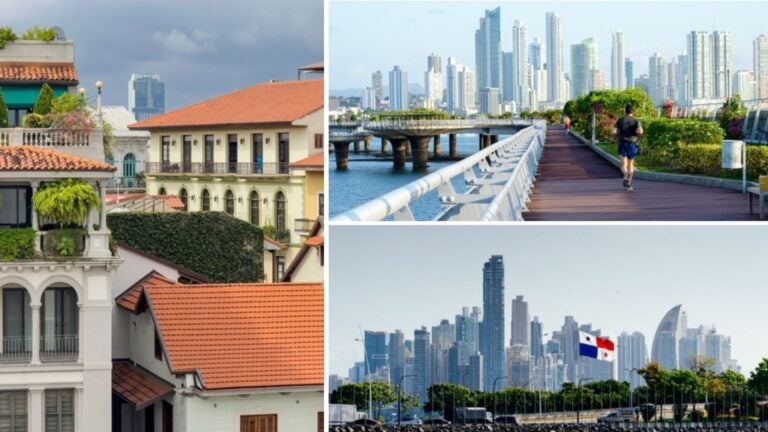
Panama City is home to the country’s largest and most diverse real estate market. Average residential prices are around $1,804 per square meter, while properties in prime neighborhoods typically sell for $2,700 to $4,150 per square meter.
Some of Panama City’s most desirable neighborhoods are Costa del Este, San Francisco, Marbella, Punta Pacífica, and Casco Viejo. Two-bedroom apartments generally range from $200,000 to $500,000, while luxury oceanfront residences in Punta Pacífica and upscale developments in Costa del Este often sell for significantly more.
If you’re looking for a more affordable option, neighborhoods such as El Cangrejo, Bella Vista, and Río Abajo offer good value without sacrificing convenience or connectivity.
Boquete and the Chiriquí Highlands
Boquete is one of the most popular places in Latin America for foreign retirees, particularly those from North America and Europe. Buyers are attracted by its cool mountain climate, beautiful scenery, welcoming international community, and laid-back lifestyle.
Property in Boquete averages about $2,000 per square meter. Homes with spacious lots, gardens, and mountain views generally sell for $200,000 to $450,000, depending on the location and quality of the home. The city of David, the capital of Chiriquí Province, offers a more affordable alternative while still providing excellent infrastructure and services.
Coronado and the Pacific Coast
Coronado is one of Panama’s most popular beach communities, located less than two hours from Panama City. It’s known for its large expat community, golf courses, shopping, and excellent amenities. Property prices average around $2,000 per square meter, and homes in gated communities with beach or golf access generally sell for $200,000 to $400,000.
Farther south on the Azuero Peninsula, towns like Pedasí and Playa Venao are attracting buyers seeking a more laid-back and less developed beach lifestyle. Prices remain relatively affordable, and the area’s strong long-term appreciation potential continues to draw investors.
Bocas del Toro
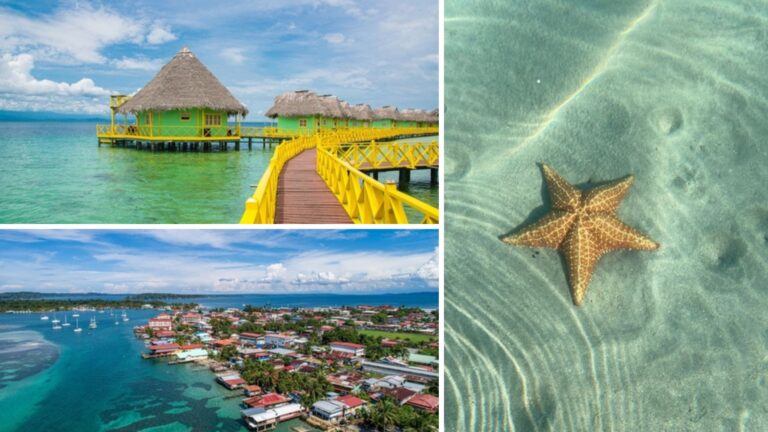
Bocas del Toro, on Panama’s Caribbean coast, has a character all its own. Its tropical islands, mangroves, rainforest, stunning beaches, and well-established expat community make it one of the country’s most unique destinations. Property prices average around $1,500 per square meter.
Waterfront homes and properties with private docks command the highest prices. More modest homes start at around $100,000, while high-end properties often sell for more than $300,000.
One thing to watch for: some properties in Bocas del Toro, especially on the smaller islands, are Rights of Possession (ROP) rather than titled properties. Always verify the ownership status before committing to a purchase.
Inland areas
If you’re looking for better value away from the main tourist areas, Panama’s inland provinces are worth considering. Home prices generally range from $800 to $1,500 per square meter, depending on the location. Cities like Santiago de Veraguas, Chitré, and Aguadulce offer good infrastructure and services at significantly lower prices than Panama City or the popular beach destinations.
Maintenance costs
Annual property taxes in Panama are relatively modest. Homes in gated communities and condominiums also have monthly HOA fees, which depend on the services and amenities provided. Fees generally range from $100–150 per month for basic developments to $400–600 per month for luxury buildings with amenities like a gym, pool, 24-hour security, and landscaped common areas.
What taxes do you have to pay when buying a house in Panama?
The Panamanian tax system is one of the most favorable in Latin America for real estate buyers. Here is the complete breakdown.
1. Transfer tax
When buying property in Panama, the buyer pays a 2% property transfer tax based on the purchase price stated in the title deed. This is relatively low compared with transfer taxes in many Latin American and European countries.
2. Tax exemption for new construction: Up to 20 years
One of the biggest advantages of buying a new home in Panama is the property tax exemption. Under Law 28 of 2012, new construction is eligible for a 10-year exemption, although in some cases it can extend up to 20 years, depending on the property’s assessed value and when it was completed.
This means you won’t pay annual property taxes during the exemption period. Before buying, make sure to check whether the exemption still applies and how many years remain. It’s an important detail to consider when comparing properties.
3. Property tax
Once the exemption expires (or if the property is not eligible for an exemption), the annual property tax in Panama is progressive based on the assessed value:
- Up to $120,000: Exempt.
- Between $120,001 and $700,000: 0.5% per year.
- Above $700,000: 0.7% per year.
4. Capital gains tax: Upon sale
When selling a property in Panama, the seller pays a capital gains tax of 3% on the profit from the sale. The tax is initially withheld based on the total sale price rather than the actual gain. If the tax withheld exceeds what you actually owe, you can file a tax return to claim a refund.
5. Notary and registration fees
Notary and property registration fees in Panama are relatively low. Including the 2% property transfer tax, total closing costs usually come to 3% to 5% of the property’s purchase price, making Panama one of the most affordable countries in the region to buy real estate.
What steps do you need to take to buy a house in Panama?
Buying property in Panama is a straightforward and secure process. Whether you’re purchasing a home or an investment property, the country’s property registration system provides strong legal protection for buyers. Once you understand the steps, the buying process is relatively simple. Here’s what to expect:
1. Determine what you’re looking for and verify the type of property
Before you start looking at properties, decide whether you’re buying a home, a vacation property, or an investment. This will help you choose the right area and property type. Also, ask whether the property has a registered title deed or is a Right of Possession (ROP) property. If it’s an ROP property, be sure to review it carefully before deciding to buy.
2. Hire a Panamanian real estate attorney
This is the most important step in the process. Your attorney will check the property’s title with the Public Registry, make sure there are no mortgages, liens, legal disputes, or unpaid debts, review the purchase agreement, and register the title in your name. Legal fees usually range from 1.5% to 2.5% of the purchase price.
3. Submit a written offer
Once you’ve found a property you want to buy, make a written offer that includes the price, timeline, any conditions, and the deposit amount. In Panama, the offer doesn’t need to be notarized, but it’s a good idea to have everything in writing from the beginning.
4. Sign the preliminary sales agreement
After your offer is accepted, you’ll sign a purchase agreement or option contract and pay a deposit, usually 10% of the purchase price. This deposit reserves the property and ensures the seller won’t negotiate with other buyers while the transaction moves forward.
5. Legal due diligence
Your attorney will then review the property in detail. They’ll make sure the title is clear, confirm the seller owns the property, check that taxes have been paid, and look for any boundary or permit issues. This step usually takes two to four weeks, depending on the property.
6. Sign the deed before a notary and pay the balance
After the title has been verified, the final deed is signed before a Panamanian notary public. The buyer pays the remaining balance and the 2% property transfer tax, and the notary officially certifies the sale.
7. Register the title with the Public Registry
After signing the deed, it must be registered with the Panama Public Registry. The ownership transfer is only official once it is recorded. Your lawyer will usually take care of this step. You become the legal owner only after the registration is completed.
How do you pay for a house in Panama?
Panama offers different financing options for both local and foreign property buyers. A major advantage is that the country uses the US dollar as its official currency, so buyers with USD funds don’t have to worry about exchange rate changes.
If you’re paying with your own funds through an international transfer, the process is fairly simple, but you need to be prepared. Make sure to consider bank fees and keep records showing the source of the funds. Panamanian banks and notaries require proof of where the money comes from, especially for large amounts.
If financing is needed, Panamanian banks such as Banco General, Banistmo, Global Bank, and Multibank offer mortgages to foreign buyers. However, the terms and requirements depend on the buyer’s legal status.
- Non-residents can usually finance up to 70% of the property’s appraised value, while residents may qualify for 80% or 90%. Since interest rates in Panama are generally higher than in Europe, it’s important to look closely at the full cost of the mortgage.
- To apply for a mortgage, you’ll need to provide documents such as proof of income, two years of tax returns, bank statements, and sometimes credit references from your home country.
For buyers who can pay the full amount upfront, a cash purchase is usually the simplest option. It makes the process easier, avoids delays from bank financing, and can provide more leverage when negotiating the price.
Cash buyers often have more negotiating power and may be able to secure a better price, especially if the seller wants a quick sale.
Tips before buying a house in Panama
Panama offers one of the most favorable legal environments in Latin America for foreign property buyers, but there are still risks to consider. Here are the most common issues reported by buyers who have gone through the process.
1. Stay connected from the very beginning
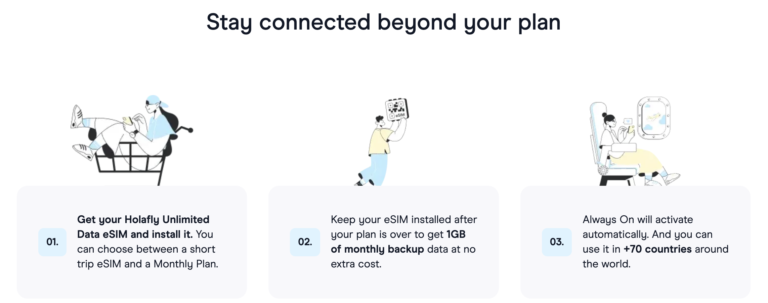
When you’re visiting Panama to view properties, you’ll need mobile data for directions, contacting your lawyer, and checking information online. Holafly’s Panama eSIM works as soon as you arrive at Tocumen Airport, so you don’t have to buy a local SIM or depend on hotel WiFi. It’s a great option for short property-hunting trips.
If you’re staying longer or spending your first few months in Panama, Holafly’s monthly plans are a great choice. You’ll get 25 GB or unlimited data right away, with coverage across Panama and over 160 countries. One subscription gives you internet access worldwide.
The plans also come with Always On, a backup feature that provides 1 GB of data per month in over 70 countries when your main plan ends or you cancel it.
2. Always check the type of title before negotiating
Agents don’t always mention upfront whether a property has a registered title deed or is ROP. Ask this right away, and if it’s ROP, discuss the risks carefully with your lawyer before buying. For foreign buyers, the safest choice is usually a property with a registered title deed.
3. Work only with licensed real estate agents and attorneys
When buying real estate in Panama, always work with licensed agents and lawyers. While the government has strengthened controls on unlicensed agents, informal brokers still exist. Licensed professionals are required to follow legal standards for transparency and responsibility.
4. Understand the difference between buying property and obtaining residency
One of the most common mistakes is thinking that buying a home automatically gives you a visa. Panama has residency programs for investors, but you still need to apply and meet the immigration requirements. If you want to become a resident, speak with an immigration lawyer before you buy.
5. Carefully evaluate the area before committing
Panama has areas with great infrastructure and others where services, internet, and roads can be limited. Bocas del Toro is beautiful, but getting there requires a flight or ferry. Boquete’s cooler climate is a big draw for many people, but it may not be for everyone. Visiting the areas you like at different times of the year before making a decision is always a good idea.
6. Red flags to keep an eye on
If you encounter any of these situations, stop and consult your lawyer before proceeding:
- Sellers who offer prices well below market value without a reasonable explanation.
- Properties without a clear title in the Public Registry.
- Agents who pressure you to close before your lawyer has completed due diligence.
- Contracts with clauses that limit your right to recover your deposit if there are legal issues.
Frequently asked questions about buying a house in Panama
Yes, except for one restriction: foreigners cannot buy property within 10 km of Panama’s land borders. Everywhere else, they have the same ownership rights as Panamanian citizens, with no limit on properties owned and no requirement for residency or a local partner.
ROP gives you rights to land that is not officially registered in the Public Registry. It does not offer the same security as a registered title deed, making the property harder to finance and resell, with more legal uncertainty. For foreign buyers, the safest option is usually to buy only properties with a registered title.
The main cost when buying a property is the 2% transfer tax. With notary and registration fees included, closing costs usually add about 3% to 5% to the purchase price. New properties may qualify for annual property tax exemptions lasting up to 20 years.
Yes, if the property value meets the minimum investment requirement of $300,000 (set to increase to $500,000 in October 2026). Buying a property does not automatically grant residency; you still need to apply and meet the immigration requirements. If you want residency, plan ahead with an immigration lawyer from the start.
No. You don’t need to live in Panama to buy property there. Non-residents may simply need to provide extra documents for certain financial processes, such as getting a mortgage.
Yes. Many foreign buyers use this approach, especially for investment properties. A Panamanian SA can simplify estate planning and allow the property to be transferred through shares instead of a new notarial deed. The right structure depends on your situation, so it’s best to get advice from a specialized lawyer.
There are no special restrictions on buying coastal property in Panama. Foreigners can buy beachfront homes with a registered title just like Panamanian citizens. The important thing is to verify the type of title, as some coastal properties are ROP instead of fully titled.
Plans that may interest you


Hi! I'm a Spanish-English copywriter working with Holafly, helping bring travel content to life for curious travelers. As a digital nomad with a passion for exploring, I'm always adding new spots to my bucket list. If you love to travel like me, stick around because you're in the right place to find inspiration for your next trip! ✈️🌍