




 Language
Buy a house in Miami as a foreigner: Requirements & more
The complete 2026 guide to buying a house in Miami as a foreigner. Learn about the legal process, financing, and how to invest safely.

Miami needs little introduction, yet there’s a reason so many international buyers become property owners instead of just visitors. A bilingual culture where Spanish and English are equally at home, the stability of investing in U.S. dollar real estate, an attractive tax environment, and a lifestyle that combines beaches, culture, dining, and business opportunities all help explain its appeal. Few cities offer the same combination.
Buying a home in Miami as an international buyer is far easier than most people expect. You don’t need U.S. citizenship, residency, or even a visa. The legal framework is well established, the process is straightforward, and Miami has welcomed international investment for decades.
The key is understanding Florida’s tax rules, deciding how to buy the property, and choosing the right neighborhood for your needs. This guide covers everything you need to know.
Requirements for foreigners buying property in Miami
Miami is one of the top destinations for international real estate investment in the United States, and buying property as a foreign buyer is a straightforward process. Even so, Florida has its own tax rules and local market dynamics that are worth understanding before you get started.
You don’t need a visa or residency to buy
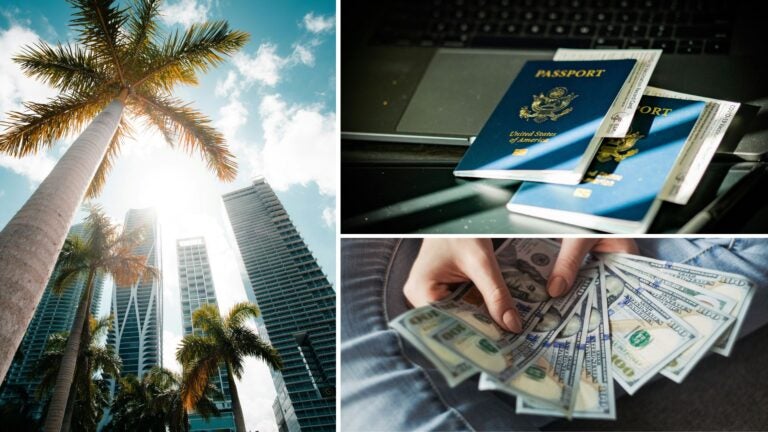
The good news is that you don’t need U.S. citizenship, residency, or a visa to buy property in Florida. Anyone can purchase a home in Miami, regardless of their nationality or immigration status.
The ITIN: Convenient but not always required
An ITIN (Individual Taxpayer Identification Number) is a tax ID issued by the IRS for people who don’t have a Social Security number. You don’t need one if you’re buying with cash, but it’s usually required if you’re financing the purchase through a U.S. lender. You’ll also need an ITIN if you plan to rent out the property, as rental income must be reported to the IRS.
To get an ITIN, you’ll need to submit IRS Form W-7 along with proof of your identity. You can apply from abroad, and many professionals in Miami can help you with the process as part of your home purchase.
Buying as an individual or through an LLC
This is one of the most important decisions a foreign buyer in Miami must make, and it has implications that go beyond standard tax considerations.
Foreign buyers can purchase property in their own name or through a company, such as an LLC or corporation. If you buy through a company, it will also need its own tax identification number (EIN).
An LLC (Limited Liability Company) is the most common ownership structure for international buyers in Miami. It helps protect your personal assets, can simplify estate planning by avoiding Florida’s probate process, and may offer tax advantages if you plan to rent out or sell the property in the future.
It’s best to decide whether to buy in your own name or through an LLC before you purchase the property. A tax advisor can help you choose the right option, as changing the ownership structure later can be expensive.
Required documentation
The basic documents needed to complete the purchase are:
- A valid passport as the primary form of identification.
- An ITIN if you plan to finance the purchase with a mortgage or if the property will be rented out.
- If the purchase is made through an LLC: The company’s articles of incorporation and EIN.
- Proof of sufficient funds to cover the purchase price and closing costs.
- If the loan is secured: Proof of income, bank statements, and a letter of pre-approval from the lender.
FIRPTA: The tax many foreign buyers are unaware of
The Foreign Investment in Real Property Tax Act (FIRPTA) is a federal law that applies when a foreign owner sells real estate in the United States.
When you sell the property, the buyer must usually withhold 15% of the sale price and pay it to the IRS. You may be able to get some or all of that money back when you file your U.S. tax return. This doesn’t affect the purchase, but it’s something to keep in mind if you plan to sell in the future.
Property insurance in Florida: Mandatory and specific
Florida has stricter insurance requirements than most U.S. states, especially for coastal properties. If you’re buying with a mortgage, you’ll usually need homeowners insurance. It covers the home itself, liability, and sometimes your belongings.
If the property is in a FEMA-designated flood zone, you’ll also need separate flood insurance. Insurance costs in Miami have started to come down in 2025 after several years of increases, but they remain an important ongoing expense to include in your budget.
How much does a house cost in Miami?
Miami isn’t just one real estate market. Every neighborhood is different, with its own prices, lifestyle, and type of buyer. Knowing the differences before you start looking will make your search much easier.
Miami’s luxury real estate market reached record prices in 2025, despite a slight slowdown in sales. Fisher Island remained the city’s most expensive neighborhood, while both Fisher Island and Brickell hit new price records during the year.
Brickell
Known as the “Wall Street of the South,” Brickell is Miami’s financial district and one of the city’s most sought-after neighborhoods. It offers modern high-rise living, top restaurants, and a lively nightlife. Popular with young professionals, Brickell also has one of Miami’s strongest rental markets, with cap rates reaching up to 5.8% for some properties.
Brickell has everything close by, including Brickell City Centre, public transportation, top private hospitals, and a wide range of restaurants. The beach is less than 10 minutes away by car. It’s also one of Miami’s safest and most walkable neighborhoods, with a Walk Score of 95.
These advantages are reflected in Brickell’s property prices. Luxury homes can sell for the equivalent of $9,000 to $12,000 per square meter, while the wider range of available properties means there are options for different budgets. A modern two-bedroom apartment typically starts at around $700,000.
Coral Gables
Coral Gables offers a quieter alternative. Known for its Mediterranean charm, it’s one of the city’s most elegant neighborhoods, with tree-lined streets, beautiful homes, and some of Miami’s top-rated schools nearby.
Coral Gables is one of Miami’s safest neighborhoods. It has tree-lined streets, strict zoning that has preserved its character, a lively shopping and dining area along Miracle Mile, excellent hospitals, and a large Spanish-speaking community.
Property prices in Coral Gables average around $6,500 per square meter. The most sought-after homes are single-family houses with gardens, where prices typically start at around $1.5 million and increase quickly for larger or more desirable properties.
Miami Beach
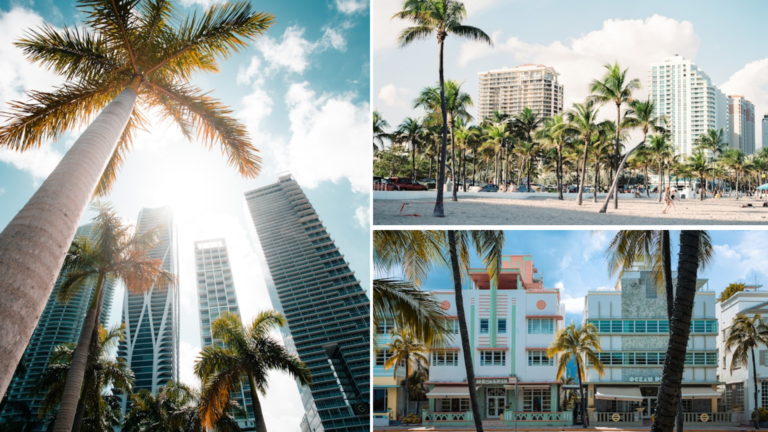
Miami Beach is one of the world’s most iconic destinations. Known for its beaches, Art Deco architecture, and vibrant atmosphere, it’s especially popular with international buyers looking for a waterfront home or a vacation property. Buyers from Europe and Latin America make up a large share of the market.
Miami Beach includes several different areas. South of Fifth is the most exclusive, with some of the city’s top luxury buildings. Mid Beach and North Beach are quieter and more residential, while South Beach is famous for its nightlife and busy tourist scene. This makes it a great option for vacation rentals, but not always for full-time living.
Miami Beach was one of the strongest-performing luxury markets in 2025, with sales up nearly 20% year over year. Waterfront properties are among the most expensive in the city, and oceanfront condos in South of Fifth typically start at around $2 million.
Coconut Grove
Coconut Grove is one of Miami’s oldest neighborhoods, known for its lush greenery and laid-back atmosphere. With tree-lined streets, charming homes, marinas, outdoor restaurants, and a long-established community of artists and professionals, it offers a lifestyle unlike anywhere else in the city.
Coconut Grove is also one of Miami’s safest neighborhoods, with crime rates well below the city average. It offers direct access to Biscayne Bay and is just a 15-minute drive from Brickell.
Property prices in Coconut Grove average around $7,000 per square meter. Like Coral Gables, homes here tend to cost more because the neighborhood is quieter, more private, and has fewer properties available.
Wynwood and Edgewater
Wynwood is one of Miami’s fastest-growing neighborhoods. Famous for its street art, it has become a popular area for restaurants, tech companies, and creative businesses. It attracts a young, international crowd and offers strong potential for future growth.
Edgewater, located between Downtown and Wynwood along Biscayne Bay, is one of Miami’s fastest-growing neighborhoods, with many new residential developments. Together, Edgewater and Wynwood are among the more accessible neighborhoods for international buyers.
Prices usually range from $3,500 to $5,500 per square meter. These areas are popular with investors looking for future growth, but the exact location matters. A different street can mean a big difference in price and quality of life.
Sunny Isles Beach and Aventura
Sunny Isles is known for its luxury oceanfront towers and strong Russian and Latin American communities. High-end buildings like Porsche Design Tower, Residences by Armani Casa, and Mansions at Acqualina represent the top end of Miami’s beachfront market.
Aventura, just north of Sunny Isles, offers more affordable prices while still providing easy access to Aventura Mall and great local amenities. It’s especially popular with retirees thanks to its healthcare options and walkable lifestyle.
Maintenance costs in Miami
Owning a home in Miami involves recurring costs that should be factored into your initial budget. The most significant ones are:
- HOA fees (community fees): In modern condo buildings, HOA fees typically range from $500 to $2,500 per month or more, depending on the amenities. After several years of steady increases, these fees have largely stabilized in 2025.
- Property taxes: Approximately 1-2% of the property’s assessed value per year.
- Property insurance: Costs vary depending on the location and coverage, but for a mid- to high-value property, homeowners insurance typically ranges from $3,000 to $10,000 per year.
- Flood insurance (if applicable, based on FEMA’s designation of the area).
Taxes on a house in Miami
Florida is known for having one of the lowest tax burdens in the U.S., which is a major reason it attracts foreign investors. However, buying property from abroad comes with some specific taxes and rules that are important to understand. You can also learn more about this in our article on Florida taxes.
1. Doc Stamps: Florida’s transfer tax
When a property is sold in Florida, a transfer tax called Documentary Stamp Tax (Doc Stamps) applies. The rate is $0.70 for every $100 of the sale price. For a $500,000 home, the cost would be $3,500. Compared with many countries across Europe and Latin America, this tax is relatively low.
If you finance the purchase with a mortgage, keep in mind that Doc Stamps also apply to the loan amount, but at a lower rate of $0.35 for every $100 borrowed.
2. No state income tax in Florida
One of the biggest benefits of investing in Florida is that it has no state income tax. This means rental income from your property is only taxed at the federal level.
For foreign property owners, the federal tax rate can range from 10% to 37% depending on your income. Deductions for depreciation, mortgage interest, and property management expenses can significantly reduce your taxable rental income.
3. Property Tax: The annual tax
Property taxes in Miami-Dade County are paid annually and usually range from about 1% to 2% of the property’s assessed value.
One advantage is that the county’s assessed value is often lower than the property’s market value, especially in the first years after buying. Florida also offers a Homestead exemption that can lower property taxes, but it is only available to primary residents, not foreign investors.
4. FIRPTA when selling
When a foreign owner sells a property in the U.S., FIRPTA requires the buyer to withhold 15% of the sale price and send it directly to the IRS. This amount is held as a tax payment toward any potential taxes owed.
FIRPTA is not an extra tax. It is an advance payment toward any taxes you may owe on the profit from the sale. When you file your tax return, you may get some or all of it back if too much was withheld. Long-term capital gains are usually taxed at 15% or 20%, depending on your income.
5. No state inheritance tax in Florida
The good news is that Florida does not have a state inheritance or estate tax. However, the U.S. federal government does have an estate tax for non-resident foreigners, which applies to U.S. assets worth more than $60,000.
Because federal estate tax rules can be complex, many foreign buyers seek professional advice before deciding whether to purchase through an LLC or another ownership structure.
Steps to buying a house in Miami
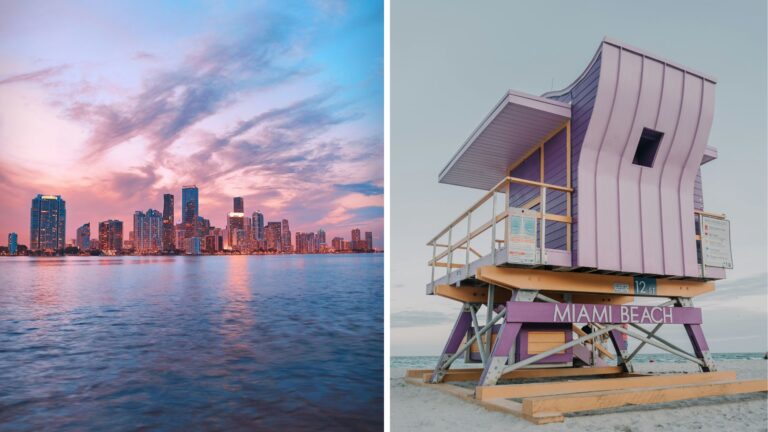
The process of buying property in Miami is straightforward and relatively quick. One of the biggest advantages for international buyers is that most of the paperwork can be handled remotely. Here is what the process looks like step by step.
1. Define your purchase structure and consult with an accountant
Before looking at properties, decide whether you want to buy in your name or through an LLC. This decision affects your taxes, rental income, estate planning, and FIRPTA rules.
A tax advisor with experience working with foreign investors can help you choose the right ownership structure for your situation.
2. Obtain an ITIN or form an LLC
If your advisor recommends buying in your own name and you need an ITIN, start the process early because it can take 6 to 10 weeks. If you choose to buy through an LLC, setting up the company in Florida is much faster and a local attorney can handle everything remotely.
3. Obtain a mortgage pre-approval letter (if you’re financing)
If you need financing, getting a mortgage pre-approval before making an offer is essential. In Miami, sellers take buyers with confirmed financing more seriously, giving you a stronger position when negotiating.
Make sure to work with lenders who have experience with foreign buyers, as mortgages for non-residents often have different requirements and conditions.
4. Search for a property with an agent who specializes in international buyers
Websites like Zillow, Realtor.com, and local MLS listings are great for browsing, but in a unique market like Miami, having a real estate agent with experience helping international buyers can make a big difference.
Another advantage in the U.S. is that the buyer’s agent usually does not cost you anything. The seller pays their commission, not you.
5. Make an offer and negotiate the terms
Once you find the right property, your agent will submit a formal offer to the seller. In Miami, the offer usually includes the due diligence period, the deposit amount, and your preferred closing date.
A cash offer or a mortgage pre-approval can make your offer more competitive, especially in Miami’s busiest neighborhoods.
6. Due diligence and technical inspection period
Once the seller accepts your offer, the due diligence period begins, usually lasting 10 to 15 days. This is one of the most important stages of the process. You’ll hire a certified home inspector to check the property’s structure, systems, and overall condition from top to bottom.
At the same time, a title search is done to make sure the property is free of liens, legal issues, or unpaid HOA fees. This is your chance to find any problems before moving forward with the purchase.
7. Closing of the transaction
Closing is the final step when you sign the paperwork and officially become the owner. In Florida, you don’t have to be there in person; you can complete the process remotely.
At closing, the purchase funds are transferred, closing costs and taxes are paid, and the ownership change is officially recorded in Miami-Dade County. Thanks to digital processes, the entire process is now much easier and more secure.
How do you pay for a house in Miami?
Miami’s real estate market operates in U.S. dollars. If you’re buying from abroad, you have three main options for transferring funds, and the one you choose can affect both the timeline and the final costs.
International transfer
An international bank transfer is the most common way to pay for a property in Miami. However, exchange rates and bank fees can add up on large transactions, so specialized international transfer services are often a more cost-effective option than traditional banks.
Keep in mind that all funds must have a clear source and documentation. Banks and title companies check where the money comes from to meet legal requirements.
Mortgage for foreigners in Miami
You can get a mortgage in Miami even if you are not a resident, but the requirements are different. Lenders that work with international buyers offer programs for this type of client. You usually don’t need a U.S. credit history, but you will need to provide strong proof of income.
In most cases, lenders will finance around 60% to 70% of the property’s value, meaning you’ll need 30% to 40% for the down payment. Make sure the numbers work for you, as U.S. interest rates can be higher and may impact your overall returns.
Cash payment
Miami is one of the U.S. cities where cash purchases are very common. Paying in cash makes the process simpler, avoids delays from mortgage approvals, and can give you a much stronger position when negotiating a lower price.
If you’re looking at the luxury market, you’ll see that this is the most popular option among international buyers.
Tips before buying a house in Miami
Miami has its own rules and challenges. In some areas, more than 60% of buyers come from outside the U.S. The market welcomes international buyers, but competition is strong and good properties sell fast.
1. Stay connected before, during, and after
Buying a home from abroad means staying connected with your agent, lawyer, and accountant, signing documents online, and keeping up with every step. A U.S. eSIM, like Holafly, can make things easier by giving you unlimited data as soon as you arrive. It’s useful for short trips to view properties or complete paperwork.
If the process takes longer, Holafly’s monthly plans with automatic renewal and the Always On option (which gives you 1 GB of backup data) help you stay connected no matter what.

2. The ownership structure is a decision that cannot be easily reversed
Choosing how to own the property is an important decision. Buying in your name or through an LLC can affect your taxes and what happens to the property in the future.
Changing this after closing can be expensive and complicated, so speaking with a tax advisor who understands foreign investors in Florida before you buy is one of the smartest steps you can take.
3. HOA fees can affect the profitability calculation
Be careful with HOA fees. In Miami’s luxury buildings, these monthly costs can easily exceed $2,000 and seriously impact your expected returns. Before buying, check the HOA fees, the building’s reserve funds, and whether any major repairs or projects are planned.
If the building’s finances are not in good shape, you could end up paying unexpected special assessments.
4. The risk of flooding is real in parts of Miami
Flood risk is a serious issue in Miami. FEMA provides maps that show which areas are more likely to flood. If the property is in a high-risk zone and you need a mortgage, the lender may require separate flood insurance, which can be expensive.
Always check this point on FEMA maps before putting money on the table.
5. Visit the neighborhood at different times of the day
A Miami neighborhood can feel very different depending on the time and day. If you plan to live there, visit the area at different times before buying to make sure it’s the right fit for you.
6. Warning signs specific to the Miami real estate market
Watch out for red flags: pre-construction projects from unknown developers, buildings with low reserve funds, homes in flood zones where insurance costs are not mentioned, or deals that seem too good to be true.
Also, many Miami buildings restrict or ban short-term rentals. If you plan to make money by renting the property on Airbnb or similar platforms, check the building’s rules before signing anything.
Frequently asked questions about buying a house in Miami
Yes. You do not need to be a U.S. citizen or have a visa to buy property in Florida. Foreign buyers can purchase real estate in Miami regardless of their nationality or immigration status.
No. You do not need an ITIN if you are buying the property with cash. However, you will usually need one if you are applying for a mortgage or if you plan to rent out the property, as you must report rental income to the IRS.
Not always. An LLC can provide tax and asset protection benefits, but it also has ongoing costs and may make getting a mortgage more difficult. The best option depends on your situation, so it’s worth speaking with a tax advisor before you buy.
Closing costs for buyers in Florida typically range from 2% to 5% of the purchase price. These usually include documentary stamp taxes, title company fees, title insurance, and recording fees. If you are financing the purchase with a mortgage, you should also expect to pay loan-related fees.
No. Buying property in Miami does not automatically give you a visa or permanent residency. However, you may qualify for a Green Card through the EB-5 investor program by investing at least $800,000 in a qualifying U.S. business. Residential real estate purchases on their own do not qualify.
Under FIRPTA, the buyer must withhold 15% of the sale price when a foreign owner sells property in the U.S. It is not an extra tax, and you may get some or all of it back when you file your tax return. It does not affect buying a property, but it is important when you decide to sell.
Coral Gables is one of the safest neighborhoods in Miami, with crime rates well below the Florida average. Coconut Grove and Key Biscayne are also known for being very safe. Brickell is generally safe as well, especially in its main areas.
Plans that may interest you


Hi! I'm a Spanish-English copywriter working with Holafly, helping bring travel content to life for curious travelers. As a digital nomad with a passion for exploring, I'm always adding new spots to my bucket list. If you love to travel like me, stick around because you're in the right place to find inspiration for your next trip! ✈️🌍