Language
Buy a house in Denmark as a foreigner: Requirements & tips
Find out how Denmark’s real estate system works for foreigners looking to buy a house there. Keep reading to know more!

If you’re planning to buy a house in Denmark as a foreigner, it’s important to understand the country’s property ownership rules. Denmark has restrictions on foreign buyers that are designed to protect the local housing market.
In this guide, we’ll cover the residency requirements, paperwork, taxes, and ownership restrictions you should know about before buying property in Denmark.
We’ll also walk you through the buying process step by step, highlighting common mistakes to avoid and what to expect as a homeowner in Denmark.
Requirements foreigners must meet to buy a house in Denmark
Foreign buyers must meet several legal requirements before they can purchase a home in Denmark.
You may need permanent residency, at least five consecutive years of residence in Denmark, or approval from the Danish Ministry of Justice to purchase property, especially if you’re a non-EU citizen.
1. Strict restrictions for foreigners
Generally, foreigners in Denmark cannot buy second homes, holiday properties, or real estate for speculative investment purposes. The goal is to protect the local housing market and keep housing accessible to residents.
2. Types of properties you can buy
Even with these restrictions, you can still purchase a primary home, such as an apartment, a family house, or a property in a housing cooperative known as an andelsbolig. These cooperatives typically have their own rules regarding ownership and management.
3. Required documents
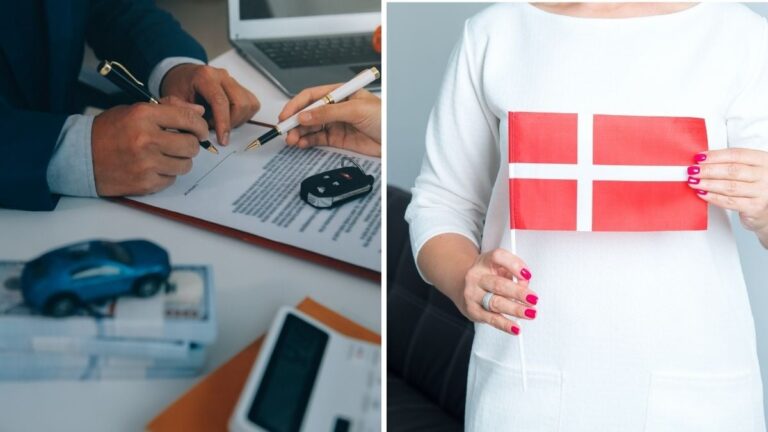
To buy property in Denmark, you’ll need to provide several documents during the home-buying process. Keeping digital and printed copies organized can help prevent delays and make it easier to complete each stage of the purchase.
- A valid passport in good condition.
- A residence permit for Denmark.
- An employment contract.
- Bank statements.
- A statement of income.
- Proof of address in Denmark.
- Approval from the Danish Ministry of Justice, if required.
4. Do I need to hire lawyers, notaries, or real estate agents?
You are not legally required to hire a lawyer, notary, or real estate agent when buying a home in Denmark.
However, many foreign buyers choose to work with a lawyer because Danish property rules can be difficult to navigate. This is particularly important as purchase contracts are typically written in Danish and can be complex to interpret.
A lawyer can also help identify potential issues before you commit to a purchase, including residency requirements, approval procedures, and restrictions that may affect your eligibility to buy property in Denmark. Addressing these matters early can help prevent costly mistakes later on.
How much does a house cost in Denmark?
Housing in Denmark is among the most expensive in Northern Europe. Average prices per square meter range from about $2,700 to $10,800, depending on the city, with the capital, Copenhagen, being the most expensive for both locals and foreigners.
Likewise, prices per square meter are much lower in the outskirts of these cities, sometimes by as much as 30%. In rural areas, many properties start at around $195,000, depending on the location and the type of home.
What factors affect the price of a home in Denmark?
Property values in Denmark are influenced by factors such as public transport links, cycling infrastructure, access to local services, and proximity to the coast.
Other factors include the building’s energy efficiency rating, which can influence utility costs, along with the local education level and overall quality of life in the area.
House prices compared with average salaries in Denmark
On average, people in Denmark need less time to save for a home than in many other European countries and elsewhere in the world.
This is largely because Denmark also has one of the highest average salaries in the region, making it one of the countries where it’s easier for people to afford their own home.
Property taxes in Denmark
As a buyer, you’ll need to account for taxes both when purchasing and while owning property in Denmark. Here are the main property taxes to be aware of.
1. Property registration tax
When buying property in Denmark, one of the first taxes you’ll pay is the registration tax, which is 0.6% of the purchase price plus a fixed fee of about 1,850 DKK ($270).
2. Annual property tax
This tax includes two different components. First, there is the Property Value Tax, which is 0.51% for properties valued up to about $1.3 million, and 1.4% on any amount above that threshold.
The second component is the Land Tax, which is charged by local municipalities on land ownership. Rates vary by municipality and generally range from 5.1% to 17.4%.
3. Capital gains tax
If your property is smaller than 1,400 square meters and has been your main home since you bought it, you may not have to pay capital gains tax when you sell it.
However, if the property was purchased as an investment or used for business purposes, any profit from the sale may be subject to capital gains tax. This is counted as part of your yearly income and is taxed progressively between 40% and 56.5%.
Steps for buying a house in Denmark
This step-by-step guide will help you organize your entire home-buying process, from start to finish, while making sure you don’t miss any key details.
1. Find a property that interests you
Most properties in Denmark are advertised through online portals such as Boligsiden, Home.dk, and Nybolig. These platforms allow you to search by location, price, property type, and other criteria.
2. Review the documents
Make sure all the property sale documents are complete and meet the legal and administrative requirements, including up-to-date utility certificates and proof of paid taxes.
3. Negotiation
In big cities, there is often less room for negotiation because demand is high and there aren’t many properties available.
4. Signing the contract and paying the full purchase price
After the terms of the sale have been agreed and any necessary inspections have been completed, both parties sign the purchase agreement and the payment process begins.
5. Registering the property in your name
The digital registration is typically carried out by your lawyer, bank, or legal representative through the official Tinglysning system.
After all the information and paperwork is completed in the system, the property is officially transferred to your name. In total, the buying process can take up to three months.
Avoid these mistakes when buying a home in Denmark
Common mistakes include failing to obtain the required permits, overlooking legal advice, underestimating ownership costs, or misunderstanding the residency rules that apply to foreign buyers.
How do you pay for a house in Denmark?
When buying a house in Denmark, payment is typically made through an international bank transfer or a Danish bank account.
You can also purchase a property through the Danish mortgage system, but foreigners often face stricter requirements, and the down payment may be up to 20% of the total property price.
Mortgage financing for foreigners in Denmark
A Danish bank can finance up to 80% of the property’s value through a mortgage (Realkredit), with interest rates varying depending on the type of loan, your residency status, and your financial history in the country.
Tips before buying a house in Denmark
Buying a house in Denmark can be a complex process, especially for foreign buyers. These tips can help you avoid common mistakes and navigate the purchase more confidently.
1. Carefully review the property documents
Don’t assume the seller’s information is correct. Ask questions, check details, and review all documents to ensure the property is legal and safe to buy.
2. Always seek local advice
Because Danish property regulations can be difficult for newcomers to navigate, many foreign buyers choose to work with a local lawyer throughout the process.
3. Always stay connected to the internet
A large part of buying a home is done online, so it’s essential to have mobile data at all times to stay in touch with your legal representative in Denmark if you’re abroad.
You can also use maps to check out different areas when searching for properties, and translate or understand some legal and administrative documents.
We recommend Holafly’s monthly plans, which include 25 GB to unlimited data and coverage in over 160 countries. You can also share your connection with other devices.
You can also get the Always On feature, which provides 1 GB of free data each month so you don’t lose connection even if your data runs out or you cancel your plan. It works in more than 70 countries worldwide.

4. Be on the lookout for real estate scams
Even though Denmark has a safe real estate system, some people may try to take advantage of foreign buyers. That’s why it’s important to:
- Verify the property’s legal documentation before making any payments.
- Avoid signing contracts in Danish unless you fully understand the terms.
- Make sure any real estate agent you work with is properly licensed.
Frequently asked questions about buying a house in Denmark
Yes, couples can buy a home together in Denmark, as long as one of them is a legal resident. This can also help simplify the paperwork and the buying process.
If you own a home in Denmark, you’ll need to pay ongoing costs such as administrative fees (especially for cooperative housing), insurance renewals, property taxes, and general upkeep.
The Danish housing market is mainly intended for local residents, so the government applies strict rules and requirements for foreign buyers. This usually means more checks and paperwork for anyone who is not a citizen or permanent resident.
In general, buying a home in Denmark as a foreigner takes around one to three months, depending on how fast the legal and administrative processes move.
Yes, but foreigners often need permission from the Danish Ministry of Justice, particularly if they don’t have permanent residency. Denmark also places limits on buying rural homes, vacation properties, and second homes to prevent property speculation by foreign buyers.
Plans that may interest you


Hi! I'm a Spanish-English copywriter working with Holafly, helping bring travel content to life for curious travelers. As a digital nomad with a passion for exploring, I'm always adding new spots to my bucket list. If you love to travel like me, stick around because you're in the right place to find inspiration for your next trip! ✈️🌍