Language
Best time to visit Japan: Guide to seasons and events
Spring and autumn are the best times to visit Japan, from cherry blossom season to colourful autumn foliage. Explore more in this guide.
Spring and autumn are the best times to visit Japan. Both bring mild weather and iconic scenery — spring for cherry blossoms, autumn for fiery red and gold foliage.
But “best” depends on what you want from your trip. This guide breaks Japan down season by season, so you can pick the window that matches your priorities.
A few of the seasonal picks below come from Masumi and Chie, two Holafly locals based in Tokyo — both Japanese natives, both with strong opinions on when their favourite spots actually look their best.
Whatever season you land in, staying connected helps — checking a cherry blossom forecast, confirming a festival is still on.
A Holafly eSIM for Japan has you covered from the moment you touch down.

Peace of mind before you fly
Set up your eSIM before travel and get unlimited data on arrival.
Spring in Japan (March to May)
Spring transforms Tokyo’s riverside paths into breathtaking tunnels of pink cherry blossoms.
Spring is Japan’s most popular season. It is also its most crowded.
Weather: Mild and pleasant, ranging from 13°C to 23°C.
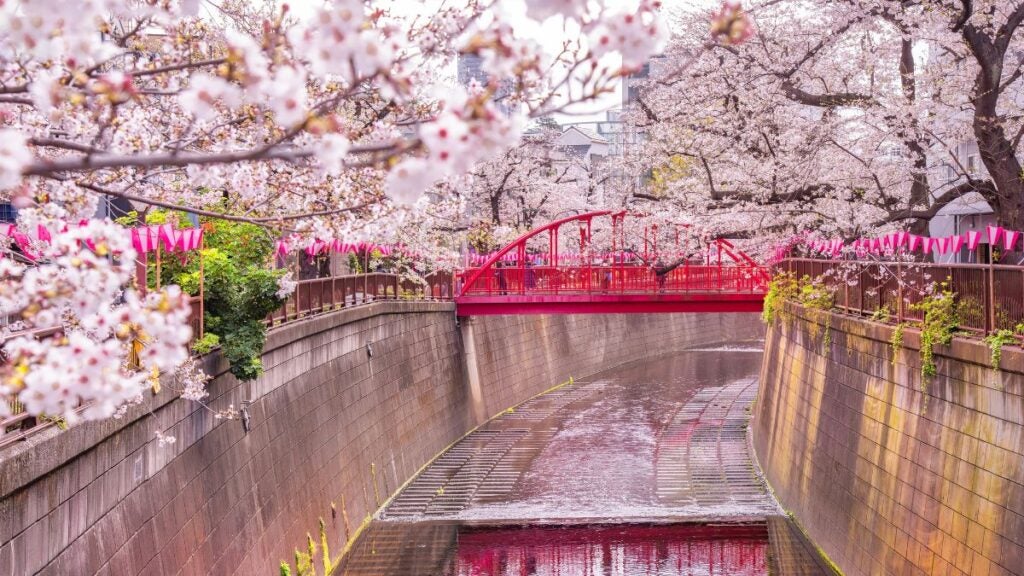
Cherry blossom season
Cherry blossoms (sakura) are one of Japan’s biggest spring attractions. In Tokyo and Kyoto, they typically bloom from late March to early April, while northern areas such as Sendai and Sapporo see blossoms later.
In 2026, for example, the first blooms were forecast for March 31 in Sendai and April 19 in Sapporo, compared with average first-bloom dates of April 8 and May 1, respectively. Exact timing varies each year depending on the weather, so check a current-year forecast closer to your trip.
Masumi has a favourite spot: Inokashira Park in Kichijoji is one of the best places for cherry blossoms — there’s a lake with swan boats, walking paths, and small cafés nearby. Mount Takao is excellent too, with forested trails and a temple at the summit.
Golden Week warning
Avoid Golden Week if you can, unless you specifically want to experience one of Japan’s busiest holiday periods. In 2027, Golden Week ran from April 29 to May 5, covering several national holidays and a substitute holiday.
Trains, hotels, and flights can become heavily booked, while prices may rise.
If you’re creating a how to plan a trip to Japan timeline, flag Golden Week early so you can book popular accommodation and transport ahead of time.
Tip: Shinkansen reservations generally open one month before departure, so book as soon as your travel dates become available, particularly if you’re travelling during Golden Week. Cherry blossom viewing spots are busiest on weekends; visit on a weekday morning for a quieter experience.
Summer in Japan (June to August)
Summer brings Japan’s most vibrant festivals, but it can also bring hot, humid weather.
Weather: Hot, humid, and rainy, with the rainy season (tsuyu) generally affecting much of Japan from June into mid-July. The timing varies by region, with Okinawa entering its rainy season earlier and Hokkaido receiving considerably less rain.
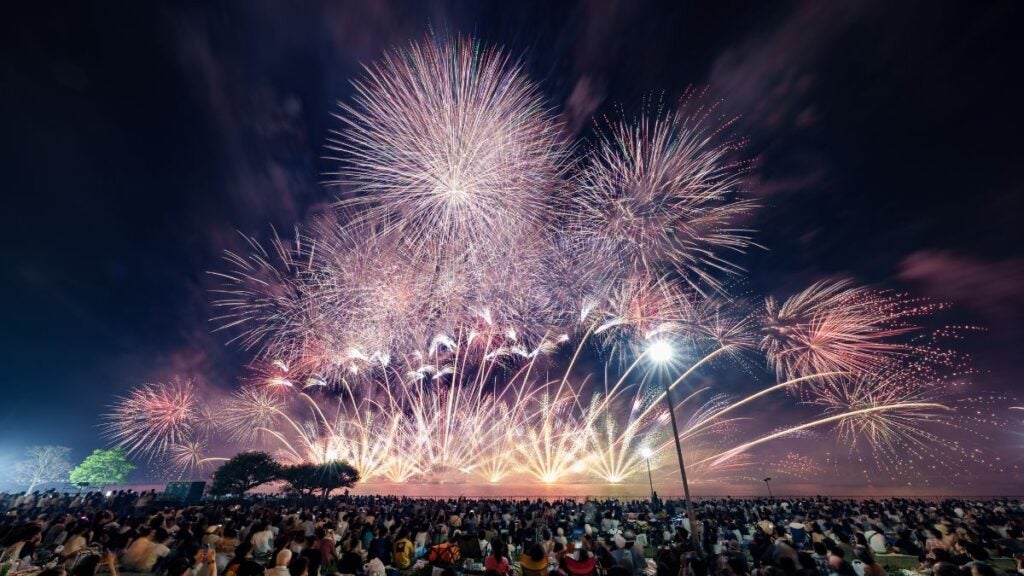
Highlights: Traditional outdoor festivals (matsuri) and large-scale fireworks displays run throughout summer.
Chie points to one in particular: The Sumida River Fireworks in Tokyo is one of the best summer events — one of the oldest and largest fireworks festivals in the country. It draws huge local crowds every year.
If you visit in summer, plan around the heat. Mornings and evenings are generally more comfortable than the middle of the day, while indoor attractions such as museums, aquariums, and shopping centres offer a break from the heat and humidity.
Tip: Pack light, breathable clothing and a portable fan or cooling towel. Convenience stores (konbini) sell cold drinks and ice packs everywhere, and are a reliable way to cool down quickly.
Autumn in Japan (September to November)
Autumn is spring’s quieter counterpart. The scenery is just as dramatic, and the crowds are less intense.
Weather: Temperatures generally become cooler and more comfortable as autumn progresses, although conditions vary significantly by region.
Fall foliage season
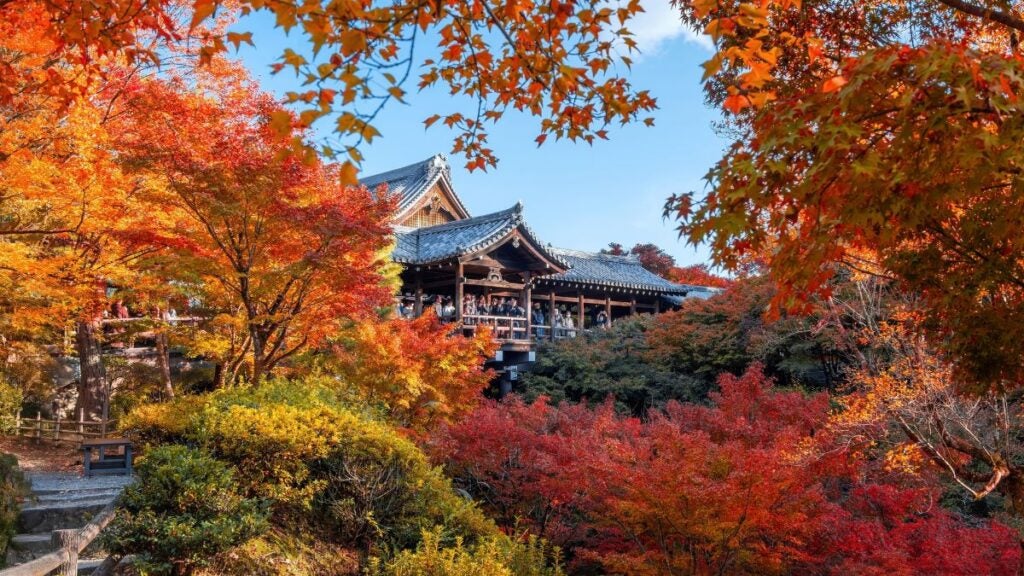
Fall foliage (koyo) is autumn’s cherry blossom equivalent. Brilliant red and orange leaves peak from mid-November to early December in most of the country.
Masumi again, this time on autumn: Mount Takao is one of the best spots for fall foliage — the forested trails turn spectacular shades of red and gold, and it’s easily accessible from central Tokyo.
Popular viewing spots still draw crowds in autumn, but the atmosphere is generally less frantic than the spring cherry blossom rush.
Tip: Kyoto’s temples are particularly stunning during peak foliage — Tofuku-ji and Eikando are two of the most photographed autumn spots in the city. Visit early morning to beat the tour groups.
Winter in Japan (December to February)
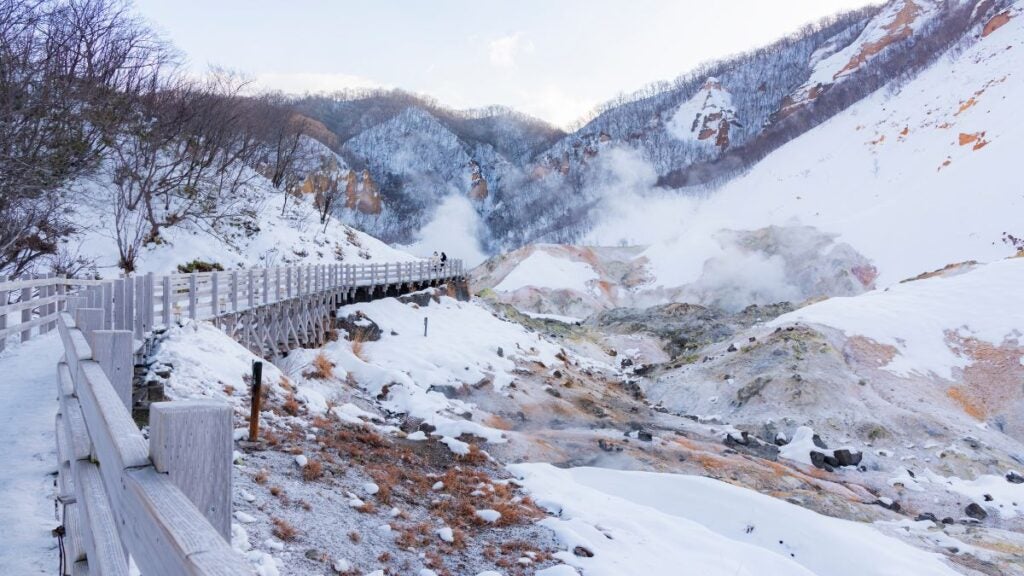
Winter in Japan offers travelers a peaceful escape featuring stunning snowy landscapes and relaxing hot springs.
Winter is generally a quieter travel season in many parts of Japan, although ski resorts and popular winter destinations can be busy. It’s particularly appealing for travellers looking for snow sports, hot springs, and winter scenery.
Weather: Cold and dry in central cities, with heavy snow in northern regions, particularly Hokkaido.
Highlights: Outstanding powder snow for skiing in Hokkaido, clear views of Mount Fuji unobscured by summer haze, and relaxing hot springs (onsens) — especially appealing in the cold.
One drawback: many local shops and restaurants close during the New Year holiday week, typically late December through the first few days of January. However, some major shops and attractions reopen quickly, so check individual opening hours before you travel.
Winter’s quieter trains and shorter queues also make it one of the easier seasons for solo travel in Japan.
Tip: Winter offers the lowest hotel and flight prices of the year outside the New Year period itself. If you don’t mind the cold, it’s the best season for value.
Best time to visit Japan by region
Japan spans a huge range of latitude, so the “best time” varies significantly depending on where you’re going.
- Tokyo: Spring and autumn are ideal. Summer is hot and humid; winter is cold but rarely snows.
- Kyoto: Spring cherry blossoms and autumn foliage are both spectacular, although both seasons can be busy.
- Beyond the cities: Timing matters just as much for the best places to visit in Japan outside Tokyo and Kyoto. Kanazawa and Takayama both peak in autumn.
- Hokkaido: Best for winter sports (December-February) and summer outdoor activities such as hiking (June-August). Spring arrives later here than in the rest of Japan.
- Okinawa: A subtropical exception. Spring and autumn are generally good times for beaches and outdoor activities, although late May to early June is the rainy season, and September is particularly prone to typhoons.
Kyoto and Tokyo both reward a spring or autumn trip, but if a single destination is driving your dates, Hokkaido and Okinawa run on their own separate calendars entirely.
When to avoid visiting Japan
Three periods are worth planning around, not planning during, unless you specifically want to experience them.
- Golden Week: April 29 to May 6. This cluster of national holidays is one of Japan’s busiest domestic travel periods, so trains and hotels can fill up quickly.
- Obon: August 13 to 16 in most regions (mid-July in Tokyo and parts of the north). A major family holiday period with heavy domestic travel.
- New Year: Late December through early January. Many shops, restaurants, and smaller attractions close for several days.
Tip: If your trip overlaps with any of these periods, book accommodation and popular transport as early as possible. For Shinkansen travel, reservations generally open one month before departure, so you can’t book standard reserved seats several months in advance.
What is the cheapest month to visit Japan?
January and February, excluding the New Year holiday, are often among the more affordable months to visit Japan because they fall outside the main spring and autumn travel peaks. June can also offer good value in some destinations, although the rainy season may affect your plans.
There is no single cheapest month for every traveller, as airfares and accommodation prices vary by departure city, destination, and travel dates. How much is a trip to Japan overall depends just as much on how many days you stay and where you travel as it does on when you fly.
Stay connected in Japan with Holafly
Whatever season you visit, staying connected makes navigating Japan’s trains, translating menus, and finding cherry blossom or foliage spots far easier. A Holafly eSIM for Japan gives you unlimited data during your trip and connects to 5G where available.
Holafly offers travel eSIMs for 200+ destinations with unlimited data and 24/7 support. Exploring beyond Japan? Holafly Plans covers 170+ destinations on one eSIM.
Every eSIM includes Always On — 1 GB of free backup data every 30 days, available in 150+ destinations. It can be useful for checking a Shinkansen departure or finding your way back from a temple at dusk. Keep the Holafly eSIM installed and you’re covered.

Keep your passport in its hiding place
Save your passport for the airport, our eSIMs don't need it.
Plans that may interest you

Formerly a travel journalist turned marketing copywriter, I found my way back to the travel world with Holafly—my dream company that made remote work possible. My motto? “Dream big and make it happen.” I’m passionate about writing, exploring the world, and staying active through walking, running, swimming, and hiking. I also love learning, reflecting, and connecting with inspiring minds.