Language
How to retire in Panama: Comprehensive guide for expats
Are you looking for the process to retire in Panama, we tell you everything you need to know to make it happen.

Panama has become one of the world’s favourite retirement destinations, and that’s no coincidence. Its tropical climate, dollar-based economy, expanding healthcare system and, above all, its famous Pensionado Programme, which offers permanent discounts on dozens of services, make this small Central American country an attractive option for people seeking a comfortable, affordable retirement with an excellent quality of life.
In this guide, you’ll discover everything you need to know: From legal requirements and available visa options to the best places to live and practical advice for making the right decision. So, if you’re considering taking the step, keep reading.
Benefits of Retiring in Panama
Stable economy with the US dollar as currency
Panama uses the US dollar as legal tender, which removes exchange-rate risks for retirees receiving pensions in euros or dollars. Inflation has remained historically moderate and, moreover, the country maintains one of Latin America’s most stable economies, supported by a solid and regulated banking sector.
The Pensionado Programme: Lifetime discounts
This programme is, without doubt, the country’s greatest attraction. It offers permanent discounts to retirement visa holders, including:
- 50% off entertainment (cinemas, theatres and concerts)
- 30% off public transport and domestic flights
- 25% off restaurants and food purchases
- 20% off medical services and medication
- 15% off mortgage loans
These benefits never expire and apply for life.
Tropical climate and exceptional nature
Panama offers an enormous variety of microclimates: From Pacific and Caribbean beaches to the cool highlands of Boquete or El Valle de Antón. Therefore, retirees can choose the environment that best matches their lifestyle.
Modern infrastructure and international connectivity
Panama City features top-quality hospitals, shopping centres, international restaurants and direct flights to Europe and North America. In addition, connections with Europe remain convenient thanks to routes with short stopovers.
Established expat community
Active communities of European and North American retirees live throughout the country, which makes social integration easier and reduces feelings of isolation during the first months.

Requirements For Retiring in Panama
Retirement visas in Panama
Panama offers several immigration options designed for foreign retirees:
Pensionado Visa (Retirement Visa): This is the most popular option and grants access to the Pensionado Programme. To qualify, applicants must prove monthly income of at least $1,000 (€880) from a lifetime pension, whether public or private. Required documents include an apostilled letter from the pension provider, a valid passport, an apostilled criminal record certificate, a medical certificate and photographs. Applicants complete the process through Panama’s National Immigration Service.
Private Income Visa (Rentista Visa): This option suits people without pensions but with assets or investment income. Applicants must prove monthly income of at least $1,000 (€880) for at least two years from investments, rentals or other documented sources. However, this visa doesn’t automatically grant access to the Pensionado Programme, although holders may combine it with other tax benefits.
Investment Visa (Qualified Investor Visa): If retirees want to buy property in Panama, they can apply for permanent residency through a minimum property investment of $300,000 (€264,000). Therefore, this route also appeals to people who prefer residency through investment assets.
Legal documentation and procedures
Regardless of the chosen visa, all applicants must provide apostilled documentation from their home country. For European citizens, this includes a criminal record certificate from the Ministry of Justice and a pension certificate from Spain’s Social Security system, both carrying a Hague Apostille. In addition, hiring a Panamanian immigration lawyer is highly recommended. Legal fees usually range between $1,500 (€1,320) and $3,000 (€2,640), depending on the visa type.
Tax and financial requirements
Panama applies a territorial tax system: Residents only pay taxes on income generated within the country. Therefore, pensions received from abroad don’t face income tax in Panama. Nevertheless, consulting a tax adviser in both Panama and your home country remains essential, because the Double Taxation Agreement between both countries regulates how European pensions receive taxation when beneficiaries live abroad.
International health insurance
Although Panama offers excellent private hospitals, the public healthcare system doesn’t provide free coverage for foreign residents. Therefore, arranging international health insurance before moving remains essential. Many international insurers offer policies specifically designed for retired expats, including extensive coverage throughout Panama.
Best Places to Retire in Panama
Boquete (Chiriquí Province): Considered Panama’s global capital for expat retirees, Boquete is a mountain town located 1,200 metres above sea level with cool temperatures between 15°C and 25°C. Moreover, it’s surrounded by nature, coffee plantations and hiking trails. The town features a very active community of North American and European retirees, plenty of outdoor activities and reasonably priced rentals. Therefore, it’s perfect for people who prefer escaping tropical heat.
El Valle de Antón (Coclé Province): This extinct volcano contains an inland valley with an exceptional microclimate. The area feels peaceful, green and increasingly popular among expats. In addition, it suits retirees seeking tranquillity, nature and proximity to the capital, which sits only two hours away by car.
Coronado and the Pacific Riviera: Located around 80 km west of Panama City, this coastal area attracts a large community of foreign retirees with access to beaches, golf courses, international supermarkets and restaurants. Furthermore, prices remain moderate and the infrastructure adapts well to foreign residents.
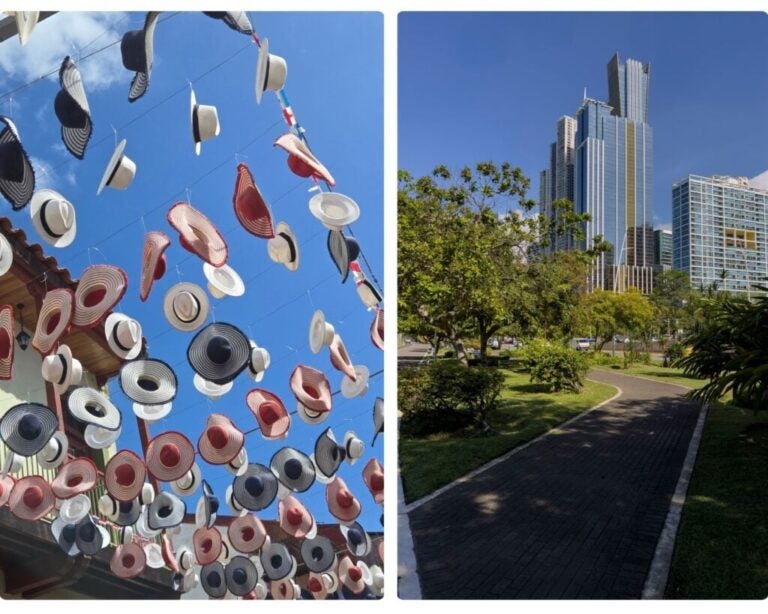
Panama City (Punta Pacífica and San Francisco districts): For people unwilling to give up urban living, these districts offer modern residential buildings, shopping centres, top private hospitals and an active cultural scene. The cost of living remains higher, although comfort and services compare with any European city.
Bocas del Toro: This destination suits adventurous retirees who love the sea. This Caribbean archipelago offers affordable prices, established expat communities and a relaxed lifestyle. However, its infrastructure remains more limited than other regions.
Tips Before Deciding to Retire in Panama
Visit the country before committing
No article, regardless of detail, replaces direct experience. Therefore, plan at least one or two extended stays of one month or longer in your preferred areas before making a final decision. Experience the climate during different seasons, meet other retirees and evaluate the daily pace of life.
Connect with expat communities
Very active Facebook groups exist where foreign retirees and people from other countries share their experiences in Panama. Forums such as Expats in Panama and dedicated groups for Boquete or Coronado provide invaluable resources for answering real questions and receiving guidance from people who already made the move.
Hire specialised advisors
Companies such as Panamanian law firms specialising in immigration can support you throughout the entire process: From visa applications to opening bank accounts, finding housing or managing pension payments from abroad.
Stay connected throughout the process with Holafly’s monthly plans
From the moment you start exploring Panama as a retirement destination until you settle permanently, reliable internet access remains essential: For handling paperwork, speaking with family at home or coordinating with lawyers and advisors.
Holafly’s monthly plans provide a connectivity solution designed for long stays abroad. They offer mobile data without speed restrictions for daily use, renewable monthly plans and no long-term contracts, which perfectly suit a retiree’s lifestyle. In addition, the Always On feature ensures you never lose connection during important moments, whether you’re having a video call with your children or arranging an urgent consultation with your doctor in your home country. Consequently, it becomes an ideal companion for every stage of the process: Exploratory trips, paperwork management and everyday life after relocation.
Plan access to your European pension from abroad
Europe’s Social Security systems allows pension payments abroad through international bank transfers. However, retirees must regularly provide a proof of life certificate to keep payments active. Therefore, learn about this process in advance and understand how to complete it from Panama.
Frequently Asked Questions About Retiring in Panama
With between $1,500 (€1,320) and $2,500 (€2,200) monthly, a couple can live comfortably in areas such as Boquete or Coronado, including rent, food, health insurance and leisure activities. In Panama City, the recommended budget increases to $2,500-3,500 (€2,200-3,080).
No. European citizens can enter Panama without a visa and stay for up to 180 days as tourists. However, permanent residency requires a Pensionado Visa or another residency option.
The complete process usually takes between 3 and 6 months, depending on Immigration Service workload and correct document submission. In addition, working with a local lawyer speeds up procedures considerably.
Yes, although the process feels stricter than in Europe. Panamanian banks request extensive documentation, including proof of funds, reference letters and an apostilled passport. Nevertheless, obtaining residency simplifies the process.
Yes. European countries and Panama maintain an active agreement regulating taxation of European pensions when recipients live in Panama. Generally, European public pensions remain taxable in European counties regardless of the pensioner’s country of residence. Therefore, consult a tax adviser before formalising your relocation.
Panama remains one of the region’s safest countries for expats, especially in foreign-oriented residential areas such as Boquete, Coronado or luxury districts in Panama City. However, as with any destination, taking basic precautions and understanding your neighbourhood remain important.