

 Language
Travelling to Vietnam from Australia: Entry requirements and travel tips
Comprehensive guide about travelling to Vietnam from Australia, including the requirements, how to get a visa, when to travel, and tips to stay safe.
Vietnam is a popular destination among Australian travellers for its affordability, rich culture, stunning landscapes, and deep history. From busy cities to quiet beaches, Vietnam offers something for every type of traveller.
This guide covers all you need to know about travelling to Vietnam from Australia, including visa and entry requirements, flights, the best time to visit, travel costs, and safety tips.
We will also help you stay connected during your trip with Holafly eSIM, which offers unlimited data, 5G speeds where available, and 24/7 customer support.
Peace of mind before you fly
Set up your eSIM before travel and get unlimited data on arrival.
What do Australians need to travel to Vietnam?
As with any international travel, there are specific entry requirements for visiting Vietnam, including a valid passport and visa.
Vietnam visa requirements for Australians
Australian citizens require a visa to enter Vietnam. This visa can be obtained online as an e-visa or through the Vietnam Embassy. Visa on arrival is not available.
Most travellers use the electronic visa (e-Visa):
- Validity: Up to 90 days, single-entry or multiple-entry.
- Fee: AU$36 (single-entry) or AU$72 (multiple-entry). The fee is non-refundable if the visa is refused.
- Apply online only through the official government site: https://evisa.gov.vn/.
- Processing time: It typically takes a few working days, up to 3–7 business days. It is best to apply at least 1–2 weeks before departure to ensure you get the visa on time.
- Where to apply: Only use the official Vietnamese Government Portal (evisa.xuatnhapcanh.gov.vn) to avoid third-party agency markups.
- What you need: A scanned copy of your passport biodata page, a digital passport photo (white background, no glasses), and your temporary address in Vietnam, like your hotel.
Note: The Embassy does not process tourist e-Visas and will not help with them. Only contact the Embassy if the e-Visa system is not available to you for some reason. Otherwise, use the e-Visa system only to get a tourist visa.
Passport, entry requirements, and travel insurance
To travel to Vietnam from Australia, you generally need:
- Passport: It should be valid for at least 6 months and have 2 blank pages.
- Digital Pre-Arrival Form: Travellers arriving at major airports, including Hanoi, Ho Chi Minh City, and Phu Quoc, are encouraged to complete a Digital Pre-Arrival Form online within 72 hours of arrival.
- Health declaration: From 1 July 2026, you may need to complete a health declaration, including vaccination proof. Check the latest official guidance or ask your airline.
- Onward/return ticket: Not always strictly checked, but recommended to have proof of onward travel.
- Accommodation: May be requested on the pre-arrival form or by immigration.
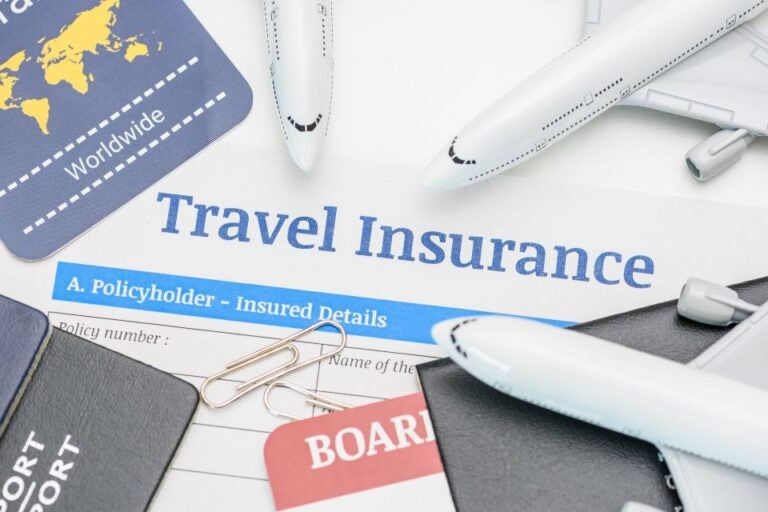
- Travel insurance: It is not required for getting a visa, but the Australian Government advises that comprehensive travel insurance is essential for any trip to Vietnam.
How to travel to Vietnam from Australia
There are multiple ways for Australian travellers to reach Vietnam, with flights being by far the most practical and widely used option.
Some longer cruise itineraries also call at Vietnamese ports, such as Ho Chi Minh City, Halong Bay, or Da Nang, as part of Asia cruises from Australia. However, these are less common and usually involve multi-week voyages rather than a direct journey.
Flights from Australia to Vietnam
Flying is the primary and most convenient way of travelling to Vietnam from Australia. Direct (non-stop) services are available from several major cities, while a wide range of connecting flights offer additional flexibility and often lower fares.
Flight options overview
| Departure city | Destination airport | Direct flights available? | Main airlines (direct) | Connecting airlines (examples) | Average flight duration |
|---|---|---|---|---|---|
| Sydney (SYD) | Ho Chi Minh City (SGN) | Yes (daily or near-daily) | Vietnam Airlines, Jetstar, VietJet Air | Singapore Airlines, Qantas, Malaysia Airlines, Thai Airways | Direct: 8.5–9 hoursConnecting: 12–18+ hours |
| Sydney (SYD) | Hanoi (HAN) | Yes (several times weekly) | Vietnam Airlines | Singapore Airlines, Cathay Pacific, others | Direct: ~10 hoursConnecting: 13–20 hours |
| Sydney (SYD) | Da Nang (DAD) | No | — | Vietnam Airlines, VietJet, Singapore Airlines, etc. | Connecting: 12–18 hours |
| Melbourne (MEL) | Ho Chi Minh City (SGN) | Yes | Vietnam Airlines, Jetstar | Singapore Airlines, Qantas, Malaysia Airlines | Direct: ~9 hoursConnecting: 12–18+ hours |
| Melbourne (MEL) | Hanoi (HAN) | Yes (several times weekly) | Vietnam Airlines | Singapore Airlines, Cathay Pacific | Direct: ~10 hoursConnecting: 13–20 hours |
| Melbourne (MEL) | Da Nang (DAD) | No | — | Various via Asian hubs or domestic Vietnam connection | Connecting: 13–20 hours |
| Perth (PER) | Ho Chi Minh City (SGN) | Yes | Vietnam Airlines | Singapore Airlines, Malaysia Airlines | Direct: 7–8 hoursConnecting: 10–15 hours |
| Perth (PER) | Hanoi (HAN) | Limited / occasional | Vietnam Airlines (check schedule) | Via Ho Chi Minh City or Asian hubs | Direct (if available): ~9 hoursConnecting: 12–18 hours |
| Perth (PER) | Da Nang (DAD) | No | — | Via Ho Chi Minh City or Asian hubs | Connecting: 12–18 hours |
| Brisbane (BNE) | Ho Chi Minh City (SGN) | Rare / seasonal | Limited (check current schedules) | Jetstar, Vietnam Airlines, Singapore Airlines, Qantas | Mostly connecting: 12–18+ hours |
| Brisbane (BNE) | Hanoi (HAN) | No | — | Via Sydney, Melbourne or Asian hubs | Connecting: 14–22 hours |
| Brisbane (BNE) | Da Nang (DAD) | No | — | Via Asian hubs or domestic Vietnam flight | Connecting: 14–22 hours |
Key points
- Ho Chi Minh City (SGN) is the most accessible destination with the highest number of direct flights.
- Hanoi (HAN) has solid direct service from Sydney and Melbourne, mainly with Vietnam Airlines.
- Da Nang (DAD) almost always requires a connection, either via another Vietnamese city or an Asian hub.
- Vietnam Airlines is the main full-service carrier operating the majority of direct routes.
- Jetstar and VietJet Air provide competitive direct options, particularly on the Sydney/Melbourne–Ho Chi Minh City routes.
- Connecting flights via Singapore, Kuala Lumpur, Bangkok or other hubs are plentiful and often cheaper, though total travel time is longer.
- Flight frequencies and exact schedules can change seasonally, so it is best to check current availability closer to your travel dates.
Getting around Vietnam
Vietnam has a well-developed and affordable transport network that makes it easy to travel both within cities and between regions.
- Domestic flights: You may not find all the Vietnam landmarks in one city. Domestic flights are the fastest way to travel between major cities in Vietnam. For example, the flight between Hanoi and Ho Chi Minh City typically takes around 2 hours.
- Trains: Train travel in Vietnam is one of the most scenic and relaxing ways to explore the country. A popular route is the Reunification Express, which runs from Hanoi to Ho Chi Minh City. It’s a long road, usually 30–36 hours. But it’s a comfortable and affordable option.
- Buses/sleeper buses: Cheap and widely available for medium and long distances. The top companies include Sinh Tourist and Futa Bus.
- Taxis: It’s easy to find taxis in Vietnam. But make sure you use reputable companies only, like Mai Linh and Vinasun. Avoid unmarked taxis.
- Ride-hailing apps: Grab is the most popular and reliable choice for cars and motorbike taxis in cities.

Best time to travel to Vietnam from Australia
Vietnam has distinct weather patterns across its northern, central, and southern regions, so the ideal time to visit depends on where you plan to go and what kind of trip you prefer. The dry season generally offers the most comfortable conditions, but each part of the country has its own peak and shoulder periods.
To determine the best time to visit Vietnam, you’ll need a detailed breakdown of the seasons, monthly weather patterns, and ideal visiting times for each region. Check the packing list for Vietnam to be prepared for any unexpected weather changes.
Hint: October is typically an ideal time to enjoy Vietnam’s best beaches and go island hopping, as the weather conditions improve.
How much money do you need for a Vietnam Trip?
The cost of a trip to Vietnam varies widely depending on your travel style, the length of your stay, the regions you visit, and the season. Here’s a breakdown of the main expense categories to help you plan realistically.
- Accommodation: Hostel dorms or basic guesthouses start from around AU$15–30/night. Comfortable mid-range hotels AU$50–120, and boutique or 5-star properties may be as high as AU$200–500+.
- Food: Street food and local eateries AU$5–15 per meal. For casual restaurants, expect to pay between AU$15 and AU$30. Higher-end dining options are generally AU$50 and above.
- Local transport: Grab rides and short taxis are a few dollars. Domestic flights are between AU$50–150, depending on the destination. Trains and long-distance buses are more affordable, starting from AU$20–80.
- Activities and entrance fees: You should consider a budget for visiting Vietnam tourist attractions. However, they are usually inexpensive, between AU$5–30. Day tours and boat trips may cost around AU$40–120.
- Souvenirs and extras: Vietnam souvenirs are not so expensive. You can consider a very low budget for buying gifts and souvenirs to remember your trip.
- SIM Card and roaming: Before starting your trip, read more about mobile internet in Vietnam. Staying connected is an inseparable part of your trip, which you need to consider a budget for.
After considering the prices above, most Australian travellers fall into one of these broad categories:
- Budget-friendly trip: Around AU$50–80 per person per day.
- Moderate/ mid-range trip: Around AU$120–220 per person per day.
- Luxury trip: AU$350+ per person per day, and easily higher.
Note: International flights, travel insurance, and the e-Visa are additional costs outside these daily expenses.
Practical tips for travellers to Vietnam
Vietnam is generally a safe destination for Australian travellers. It is one of the best solo travel destinations for women in Asia. Violent crime against tourists is uncommon, but petty theft, traffic hazards, and common scams do occur.
So, being aware of local customs, practical risks, and a few simple precautions will help you enjoy a smooth trip.
- Research local customs: Dress modestly at temples, remove shoes when required, and be polite in daily interactions.
- Watch the traffic: Roads are busy and chaotic; always look carefully and use pedestrian bridges where available.
- Avoid common scams: Be cautious of unofficial taxis, inflated tourist prices, and overly friendly strangers offering unsolicited help.
- Drink bottled water: Avoid tap water and ice of unknown origin; stick to sealed bottles.
- Choose busy food stalls: When tasting street food in Vietnam, opt for busy stalls. Frequent customer traffic generally indicates fresher, safer food.
- Pack essentials: Bring toilet paper, hand sanitiser, regular medications, and oral rehydration salts.
- Get proper insurance: Ensure your policy covers medical treatment and emergency evacuation.
- Secure your valuables: Keep phones, wallets, and bags out of sight, especially in crowded areas.
- Use trusted transport: Prefer Grab or reputable taxi companies such as Mai Linh and Vinasun.
- Respect local laws and culture: Public displays of affection are limited, and drug offences carry very severe penalties.
- Stay aware: Be extra careful at night and in popular tourist spots.
Stay connected in Vietnam with Holafly
Whether you want to use navigation apps, check your social media, or stay in touch with family and friends, a reliable internet connection is essential for your trip.
Rather than relying on expensive international roaming from your Australian mobile provider or dealing with the hassle of buying and registering a Vietnam SIM card on arrival, you can consider a Holafly eSIM for Vietnam. It offers unlimited data, 5G speeds wherever available, flexible plan duration, and 24/7 customer support.
Holafly offers 1 GB of backup data as an Always On feature on all its eSIMs. So, if you exceed your plan, you can still stay connected until you use up all this data.
If you’re planning a longer trip that includes other Asian countries, a Holafly Asia eSIM is a convenient option. It keeps you connected across multiple destinations, so you don’t need to buy a separate local SIM or eSIM for each country.

Connect to the fastest networks
International eSIMs, local networks. Enjoy the best of both worlds with Holafly.
Plans that may interest you

Formerly a travel journalist turned marketing copywriter, I found my way back to the travel world with Holafly—my dream company that made remote work possible. My motto? “Dream big and make it happen.” I’m passionate about writing, exploring the world, and staying active through walking, running, swimming, and hiking. I also love learning, reflecting, and connecting with inspiring minds.