Do you remember the bedtime stories your grandmother used to tell you, or the feeling of pulling a worn-out book from your family’s library on a quiet rainy weekend? We all grew up surrounded by tales of heroes, dragons, and impossible journeys. Long before we could Google anything, these stories sparked our imagination and made certain places feel larger than life.
As we grow up, this sense of curiosity doesn’t necessarily disappear: according to Booking.com’s 2025 Travel & Sustainability Report, 54% of travelers actively seek experiences that are representative of local culture. For many, that means going beyond famous landmarks to discover the traditions, folklore, and stories that give a destination its character.
Some places have embraced those legends as part of the visitor experience. From mysterious lakes and ancient castles to forests, caves, and mountaintops, they invite travelers to explore the landmarks where mythology and local history have become part of everyday life. Whether the stories are fact, fiction, or something in between is almost beside the point.
The top 5 five mythical places you need to visit
If you’re looking for inspiration for your next trip, we did the research for you. By analyzing legendary destinations based on their cultural significance, visitor appeal, global search interest, and the experiences available on the ground, we were able to identify the five places where myth and travel come together best.
- 94/100: Mount Olympus, Greece
- 88/100: Loch Ness, Scotland
- 85/100: Giant’s Causeway, Northern Ireland
- 82/100: Tintagel Castle, Cornwall, England
- 78/100: Bran Castle, Transylvania, Romania
1. Mount Olympus, Greece
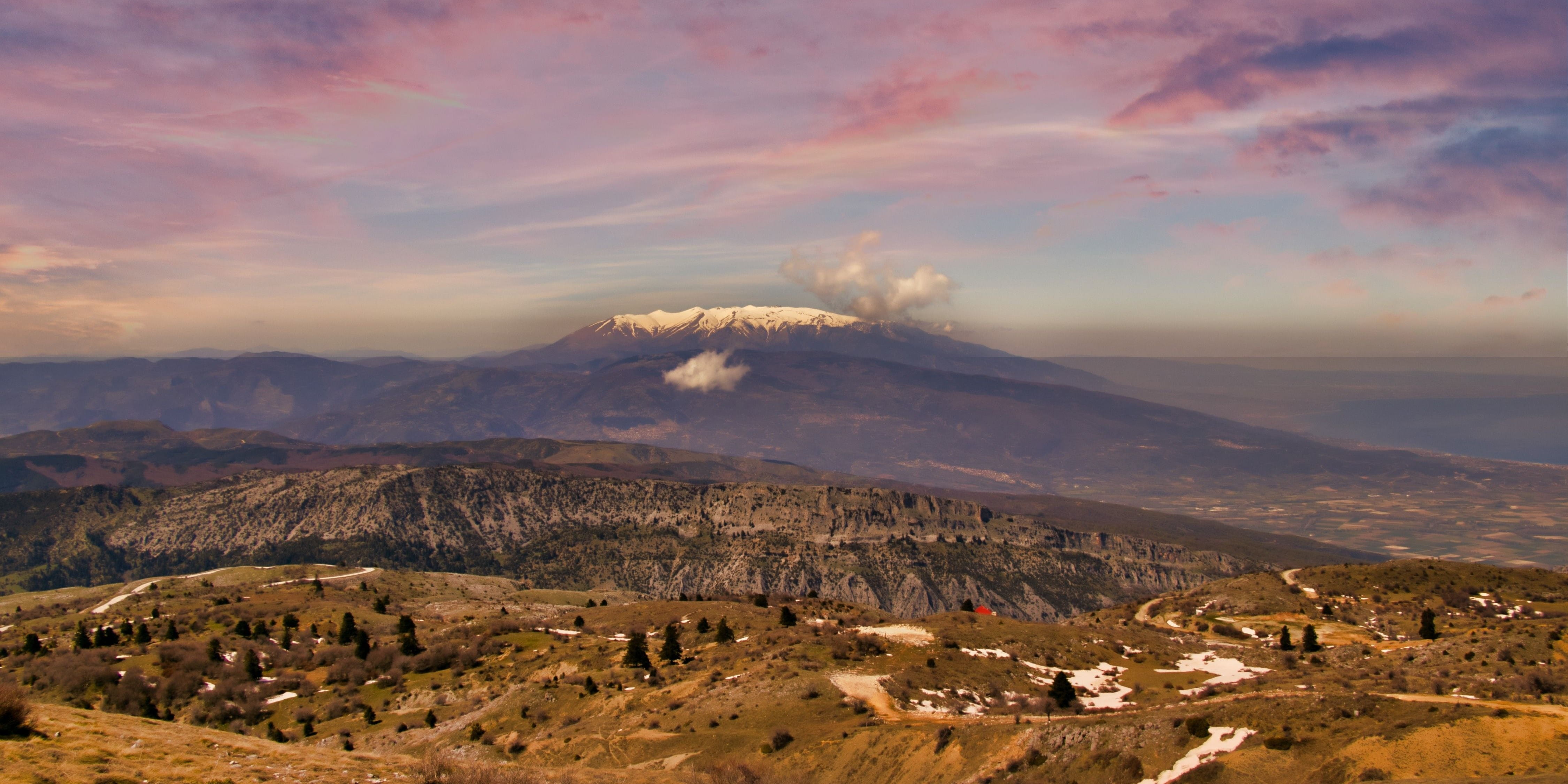
Greek mythology shaped Western civilization, influencing literature, philosophy, and art for millennia. According to ancient Greek religion, the peaks of Olympus were the dwelling place of the twelve Olympian gods, including Zeus, Hera, and Athena. Scoring an impressive 94/100, this destination dominates the cultural significance category: it is the literal home of the gods in Greek mythology, and offers an unparalleled blend of profound cultural influence and natural beauty.
Today, this massive UNESCO Biosphere Reserve is far more than just a protected national park. When you hike the winding trails up toward the towering peak of Mytikas, you are walking through the exact cloud cover where ancient people believed thunderbolts were forged. Once you come back down from the mountain, you can actually wander through the nearby ruins of Dion, an entire ancient city built specifically to worship Zeus.
2. Loch Ness, Scotland
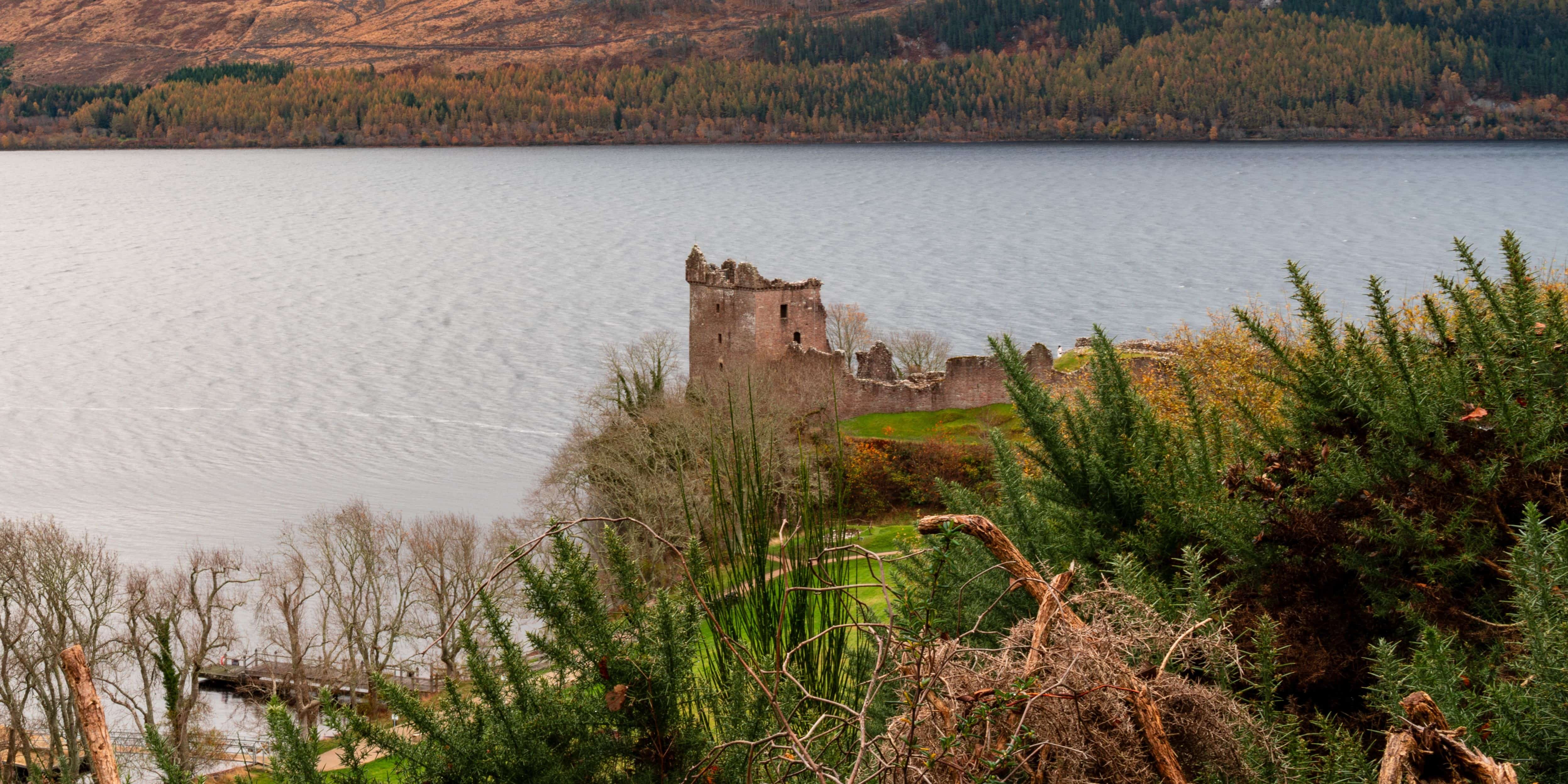
Loch Ness is the ultimate monster mystery, and it proves exactly how a great story can turn a quiet lake into a world-famous destination. It earned a solid 88 out of 100, scoring perfectly in search interest because almost everyone on earth knows this story: for decades, people have believed a mysterious creature named Nessie hides in these deep, dark waters. While the very first sighting goes all the way back to the year 565, the real monster obsession kicked off in the 1930s.
Even though the area is definitely built up for tourists now, the Scottish Highlands are still incredibly beautiful. You can hop on a boat that uses actual sonar to scan the water for the monster, learn the history at the local visitor center, or wander through the amazing ruins of Urquhart Castle right on the water’s edge.
3. Giant’s Causeway, Northern Ireland
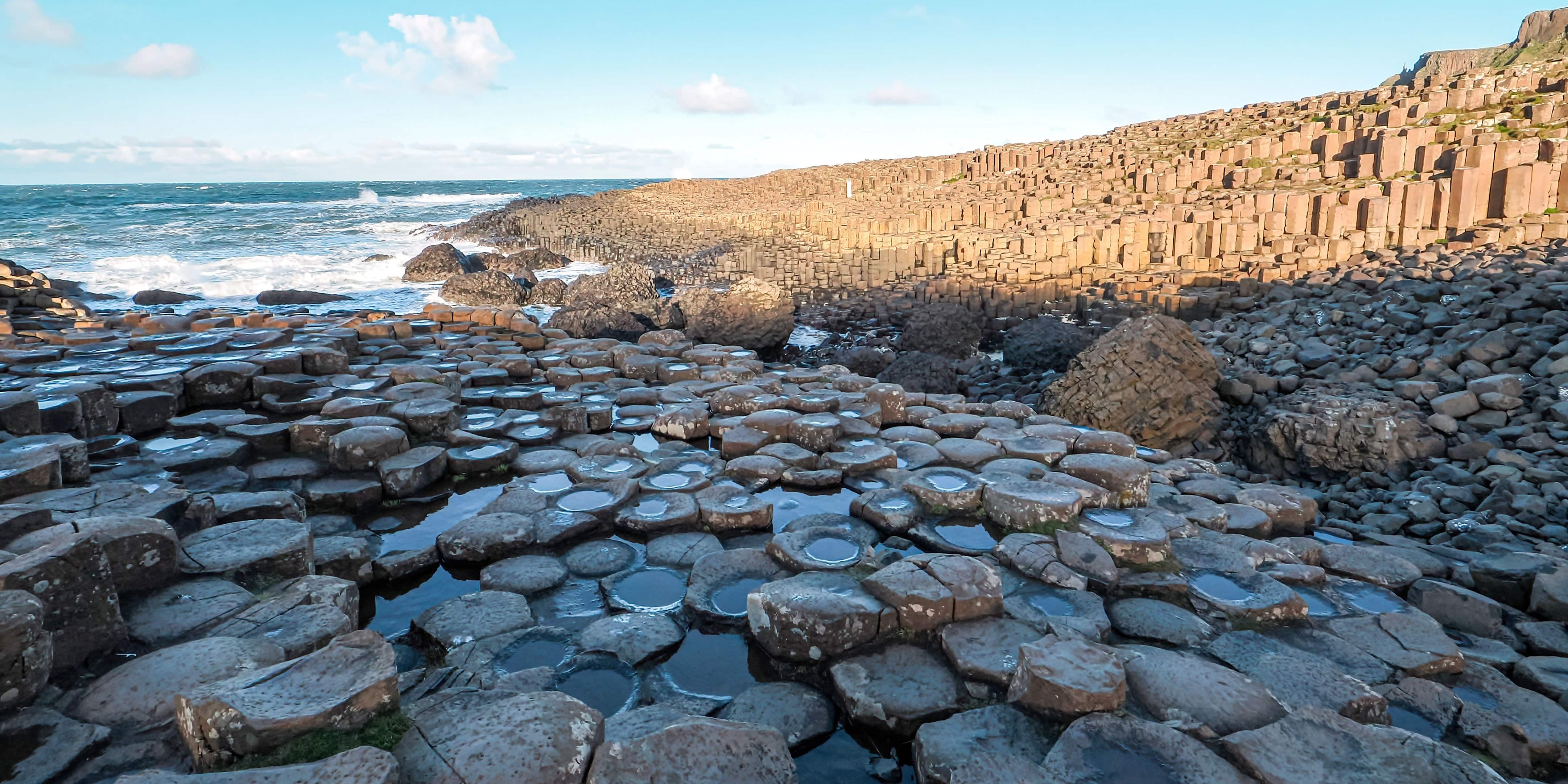
The Causeway is the perfect example of how geography inspires mythology, and the geological explanation is as fascinating as the legendary one: Irish mythology claims the causeway was built by the giant Finn McCool as stepping stones across the sea to Scotland to fight a rival giant.
It is a UNESCO World Heritage site renowned for its roughly 40,000 interlocking basalt columns, the result of an ancient volcanic fissure eruption. Visitors can walk directly on the iconic stones, and a state-of-the-art visitor center balances the scientific explanation with the rich folklore. Thanks to this incredible on-site experience, it scored 85/100.
4. Tintagel Castle, Cornwall, England
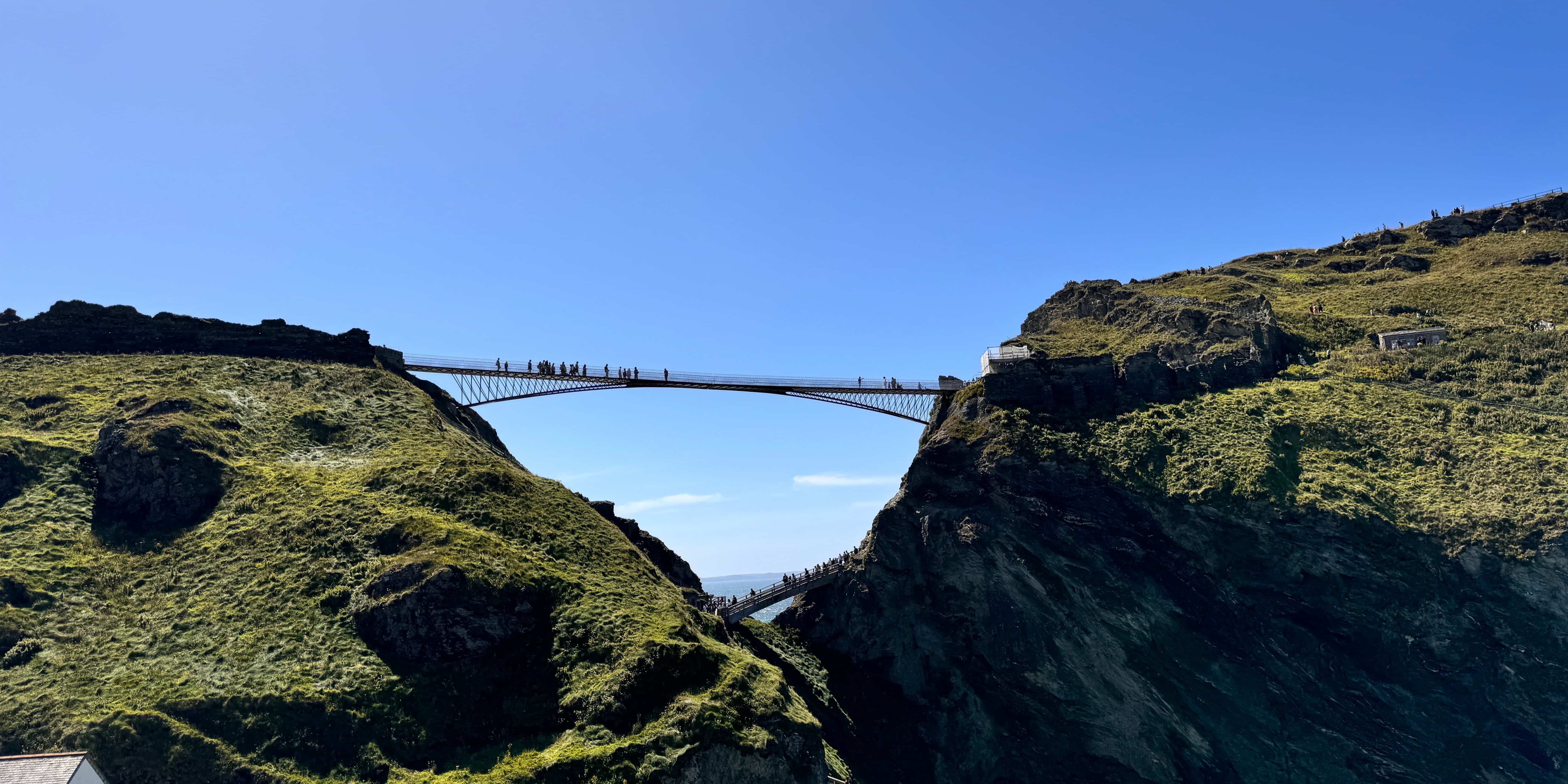
Scoring 82 out of 100, Tintagel shows how a great fairytale can turn old broken walls into a world-famous travel spot. Back in the 1100s, a popular writer claimed that the legendary King Arthur was magically conceived on this exact rocky coast. Even though historians agree the story was mostly made up by storytellers, people have been fascinated by the location ever since.
When you visit today, you get to walk across a dramatic footbridge over the ocean to reach the castle ruins sitting right on the edge of the cliffs. You can head down to the beach to explore a dark cavern known as Merlin’s Cave, or take photos next to a giant bronze statue inspired by ancient kings.
5. Bran Castle, Transylvania, Romania
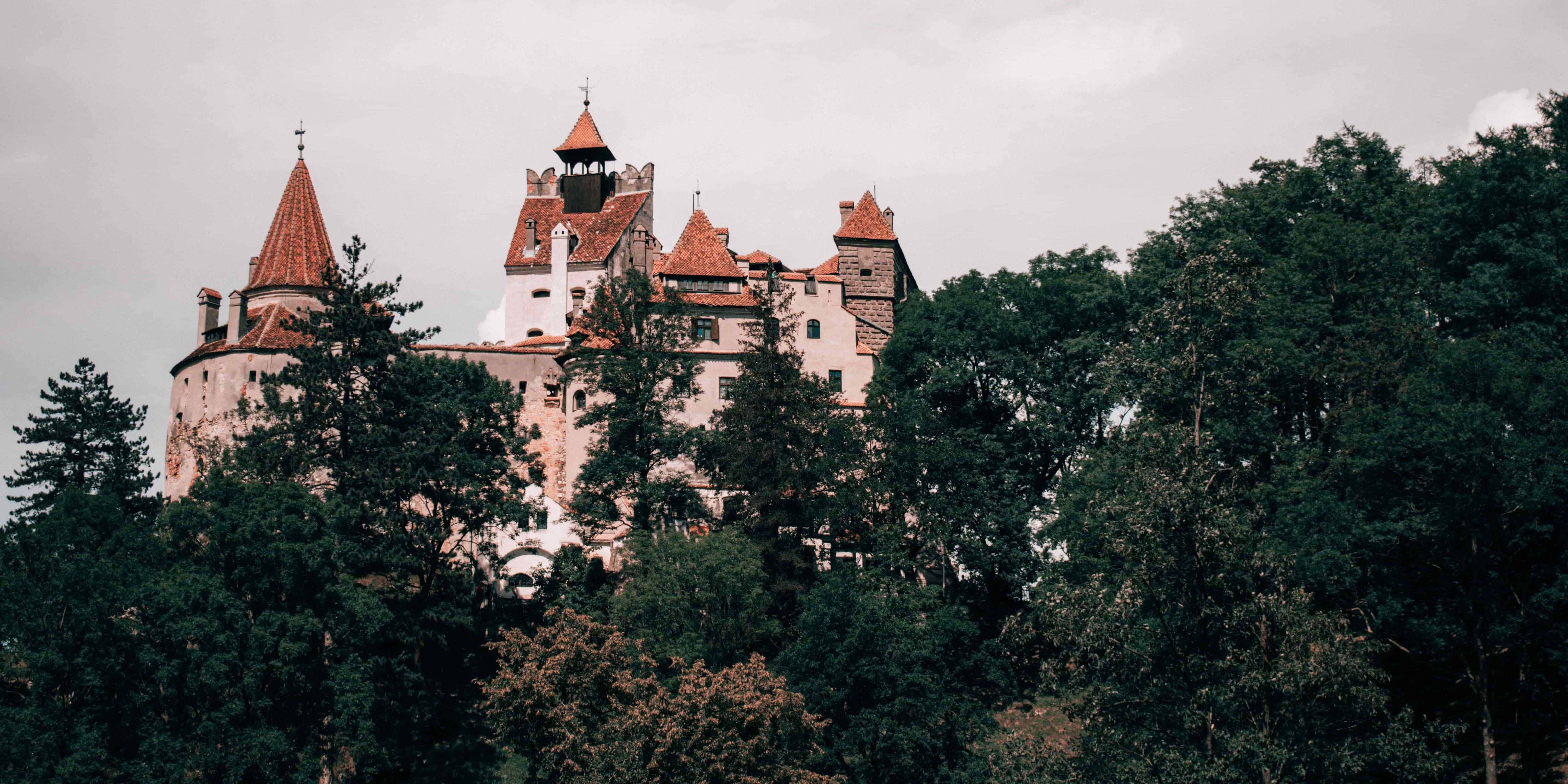
This stone castle was put on the map thanks to one spooky book. It is known all over the world as Dracula’s Castle, famously acting as the home of the vampire in Bram Stoker’s classic novel. The funny part is that the author of the book never actually set foot in Romania.
Visitors get to walk through a massive medieval fortress that heavily plays up the vampire theme to entertain the crowds. However, if you look past the souvenir shops, the true history of the castle involving Romanian royalty is totally captivating on its own. It scored a 78 out of 100, losing just a few points because the heavy focus on vampire merchandise can make it feel a bit like a tourist trap at times.
5 Tips for a stress-free mythical trip
Visiting these legendary spots feels a lot like stepping into a movie, but since most of these ancient ruins and mountain peaks are tucked away in remote areas or deal with massive global crowds, getting there in real life takes a little bit of planning. To help you get the most out of your adventure, here are a few simple things to keep in mind before you pack your bags.
- Book your tours well in advance: Some of the most immersive activities, like the guided cliff walk at the Giant’s Causeway, require you to secure your spot at least three days before you arrive. If you walk up to the ticket counter on the day of your visit, you will likely miss out on the best parts of the experience.
- Always pack for sudden weather changes: Because a lot of these mythical sites are located high up in the mountains or right on the edge of the ocean, the forecast can flip from sunny to freezing rain in a matter of minutes. Bringing plenty of warm layers and a solid pair of walking shoes will keep you comfortable.
- Sort out your connection and digital maps early: These ancient castles and natural wonders are often tucked away in isolated areas where public Wi-Fi simply does not exist. Saving your directions directly to your phone is a great backup plan, but setting up a travel eSIM before your flight is the best hack.
- Time your visit for the early morning or late afternoon: Showing up right when the gates open or just before sunset helps you avoid the massive waves of tour buses. Plus, exploring ancient ruins in the quiet morning mist or the golden evening light makes the whole experience feel much more magical.
- Do a little reading before you arrive: Knowing the real historical facts alongside the wild folklore makes walking through these sites infinitely more interesting. You will appreciate the location so much more when you can clearly see where the actual true events end and the mythical stories begin.
How to keep the legend alive without losing connection
The thing about legendary places is that they are almost always on the very edges of the map, and having a reliable connection out in these remote spots totally changes the way you explore, whether you are pulling up your digital tickets at the Giant’s Causeway or navigating the winding roads of Transylvania.
If you wait until the moment you get there, you might not find a local cell phone kiosk selling SIM cards, and hoping to connect to a public Wi-Fi network is just as hopeless in the middle of medieval ruins. This is why setting up a Holafly eSIM before you pack your bags makes such a difference. You get to skip the frustrating hunt for a signal and completely avoid the stress of being off the grid, leaving you completely free to simply step right into the myth and enjoy the adventure.
Methodology
To figure out which mythical spots are actually worth your time, we looked at four main factors:
- First, we considered the Cultural Significance (35%), meaning how deeply the legend shaped history or local identity.
- Then we looked at the Destination Appeal (25%) to make sure it’s a great place to travel even without the myth.
- We factored in Search Interest (25%) to see what travelers are actively looking for right now.
- Finally, we evaluated the On-site Experience (15%) to guarantee that when you arrive, there are real trails, museums, or tours that bring the legend to life.